You’ve booked a Mediterranean cruise, you’re excited to see Santorini, and then the day arrives and your ship doesn’t dock. Instead, it anchors offshore and you’re told you need to board a small boat to get ashore. If no one warned you this was going to happen, it can feel like an unwelcome surprise. But tender ports are completely normal, and once you understand how the process works, they’re straightforward to handle.
A tender port is simply any port where the ship cannot dock directly at a pier : usually because the harbour is too shallow, too small, or the destination has no cruise terminal capable of handling large vessels. Instead, the ship anchors in the bay and smaller boats, called tenders, shuttle passengers back and forth to shore. Some of the most iconic stops on any Mediterranean itinerary are tender ports, so it’s well worth knowing what to expect before you arrive.
What Is a Tender Port and Why Do Ships Use Them?
A tender port is a destination where your cruise ship anchors offshore rather than berthing at a quayside. This happens for several reasons: the harbour may be too shallow for a large ship’s draft, the port infrastructure simply doesn’t exist to accommodate cruise vessels, or local authorities limit the number or size of ships that can dock to protect the town or environment. In some cases : Santorini being the most famous example : the geography makes a traditional pier impossible.
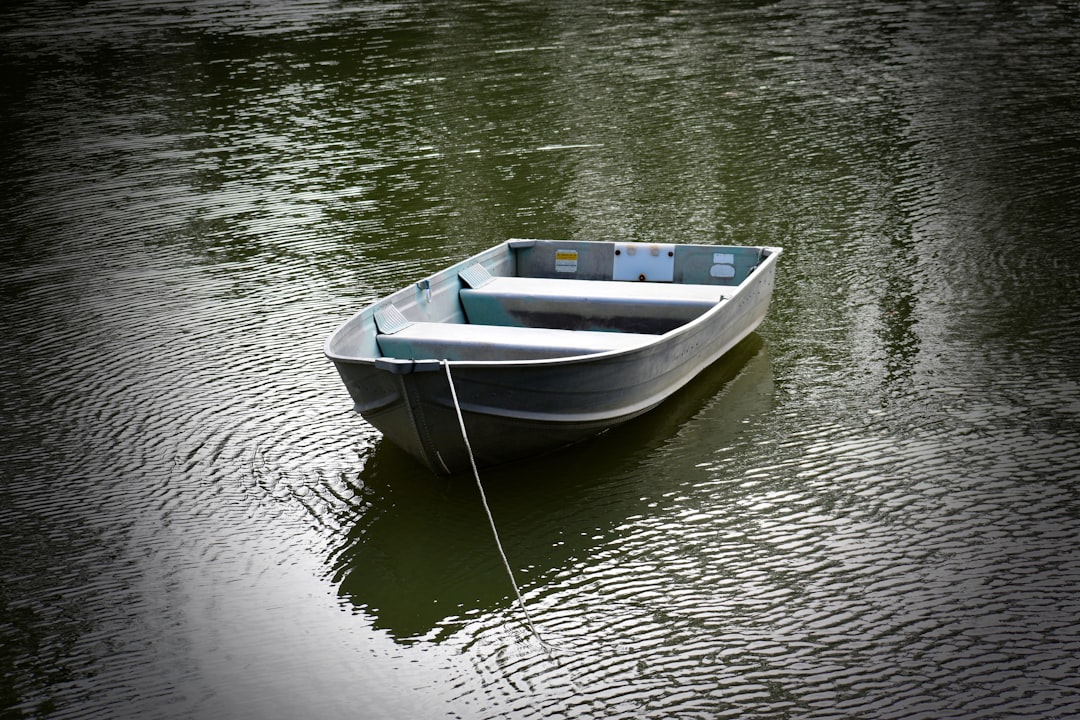
The tenders themselves are either the ship’s own lifeboats, which are repurposed for this role during port calls, or dedicated shore boats operated by the port. They typically carry 50–150 passengers per trip and run continuously throughout the day, so there’s a constant service between ship and shore once operations begin.
- Santorini, Greece : anchors in the caldera; tenders run to Skala (or you can take the cable car up to Fira)
- Portofino, Italy : tiny fishing village with no cruise berth; tenders land at the harbour quay
- Kotor, Montenegro : occasionally tenders depending on berth availability
- Dubrovnik, Croatia : ships sometimes anchor when berths are full; tender to Gruž or the old town port
- Amalfi, Italy : no dedicated cruise pier; tenders land at the town jetty
- Honfleur, France : historic harbour unsuitable for large vessels
- Lerwick, Shetland : frequent tender port for ships on Norwegian or British Isles itineraries
How the Tender Process Works: Tickets, Timing, and Queuing
On a tender port day, the ship’s daily programme will include specific instructions : read them the night before. Operations typically begin around 08:00–09:00 once the ship has anchored and the port authorities have cleared the vessel. You cannot simply walk down to the tender platform whenever you feel like it; there is a queuing and ticketing system in place to manage the flow of several thousand passengers.
Most cruise lines issue tender tickets on a first-come, first-served basis from a central location : often the atrium or a lounge : on the morning of the port call. Tickets are called in numerical batches, so the earlier you collect yours, the sooner you’ll get ashore. If you’ve booked a ship-organised excursion, you’ll almost always receive priority boarding, meaning you bypass the general queue entirely and board one of the first tenders out.
Either book a ship excursion (priority tender is included) or head to the tender ticket distribution point the moment it opens. Being number 30 in the queue rather than number 300 can save you well over an hour on a busy day.
Once your number is called, you make your way to the tender platform : usually on a lower deck. Staff will help you step across into the boat. The journey to shore takes anywhere from 10 to 20 minutes depending on how far out the ship is anchored. Tenders run continuously, so returning to the ship is simply a matter of joining the queue at the shore-side tender dock : no ticket required for the return leg.
What Happens If the Weather Turns Bad
This is the part nobody likes to talk about, but it happens: tenders can be suspended or cancelled entirely if sea conditions are deemed unsafe. Even a moderate swell can make stepping between a moving tender and the ship’s platform genuinely dangerous, and the captain will not operate tenders if the risk is too high. This can mean a partial day ashore is cut short, or : in the worst case : the port call is skipped completely.
If you’re already ashore when conditions deteriorate, the ship will do everything possible to get passengers back before departing. In extreme situations the ship may remain anchored longer than planned or, very rarely, passengers may need to make alternative arrangements to catch the ship at the next port. This is exceptionally rare, but it underlines why travel insurance with missed port and missed ship cover matters.
If tenders are suspended before operations begin, the ship may simply move on to the next destination. This is a known risk at tender ports : it's worth checking the weather forecast the evening before and having a backup plan for how you'll spend the day on board.
Autumn and winter Mediterranean itineraries carry a higher weather risk than summer sailings. If Santorini or Amalfi is a must-do for you, consider sailing between May and September when conditions are most stable. Norwegian and British Isles tender ports carry risk year-round.
Browse our full library of cruise guides, port tips, and advice articles to make the most of every sailing.
Tips for Getting Ashore Quickly and Making the Most of Your Time
Time is genuinely compressed at tender ports. You’re losing 20–40 minutes in tender travel alone, the queue to get ashore can add another 30–60 minutes on a busy ship, and you need to be back at the tender dock well before the last boat. On a port call with a 17:00 departure, you may only have five or six hours ashore if you’re not strategic about it.
- Read the daily programme the night before. Find out when tender tickets are being distributed and set an alarm. Being at the front of the queue when distribution opens makes a significant difference.
- Book a ship excursion for guaranteed priority. Even if you’d normally go independent, a ship excursion on a tender day buys you priority boarding. You can still explore independently after the tour finishes.
- Note the last tender time and subtract 30 minutes. The official last tender is the absolute cut-off. Aim to be at the shore-side dock at least 30 minutes before that, especially at popular ports where queues build up late in the afternoon.
- Have cash in the local currency. Smaller tender ports often have limited card payment options ashore. Euros are accepted widely in the Mediterranean, but having small notes saves hassle.
- Travel light. Stepping in and out of tenders with a large rucksack or bulky beach bag is awkward. Keep your day bag compact and wear your valuables rather than carrying them separately.
If you’re sailing on a larger ship with 3,000-plus passengers, mornings at tender ports can be genuinely chaotic. Some experienced cruisers deliberately wait until mid-morning to go ashore, avoiding peak queues, and then return in the early afternoon before the rush back begins. Whether that trade-off is worth it depends on how much time you have at that port.
Mobility Considerations at Tender Ports
Tender ports present real accessibility challenges that are worth understanding before you book. To board a tender, passengers must step across a gap between the ship’s platform and the boat and both are moving, even in calm conditions. For passengers who use wheelchairs, have limited mobility, or have difficulty with steps and uneven footing, this transfer can be difficult or impossible.
Cruise lines handle this differently. Some will operate a dedicated accessible tender with a lowered boarding point and staff assistance; others will advise passengers with significant mobility needs that they may not be able to go ashore at tender ports. It is essential to contact your cruise line directly before you travel to ask specifically about accessibility at any tender ports on your itinerary. Do not assume that because you can manage the ship’s gangway, you’ll be able to board a tender.
If mobility is a concern, ask your cruise line or travel agent for a list of which ports on your itinerary are tenders and what accessibility support is available at each one. Some lines will also note tender ports in your booking documentation : read it carefully.
Can You Book Independent Tours at Tender Ports?
Yes and many passengers do so successfully. Independent touring at tender ports works well as long as you plan around the tender timetable rather than ignoring it. The key difference from a docked port is that you cannot simply run back to the ship if you’re running late; you are dependent on the tender service, and the ship will not wait if you miss the last boat.
If you’re booking a private tour or using local transport, build in significant buffer time at the end. At somewhere like Santorini, where queues for the cable car down to the tender dock can be long on busy days, you should aim to be at the bottom of the cable car : not at the top : at least 45 minutes before the last tender. Many experienced independent travellers set a hard personal cut-off an hour before the last tender and stick to it regardless of what they’re in the middle of.
- More flexibility. Go where you want, at your own pace, without being tied to a group itinerary.
- Often cheaper. Local taxi drivers and private tour operators at tender ports are well-accustomed to cruise passengers and offer competitive pricing.
- Avoid group crowds. Ship excursion groups from a large vessel can overwhelm small villages. Going independently often means a noticeably better experience.
- Risk of missing last tender. There is no safety net. If your private driver is late, that is your problem and the consequences are serious.
- Weather risk falls entirely on you. If tenders are suspended while you’re ashore, you need to manage the situation yourself. Ship excursion passengers are prioritised when conditions are marginal.
How Long Does the Tender Journey Take?
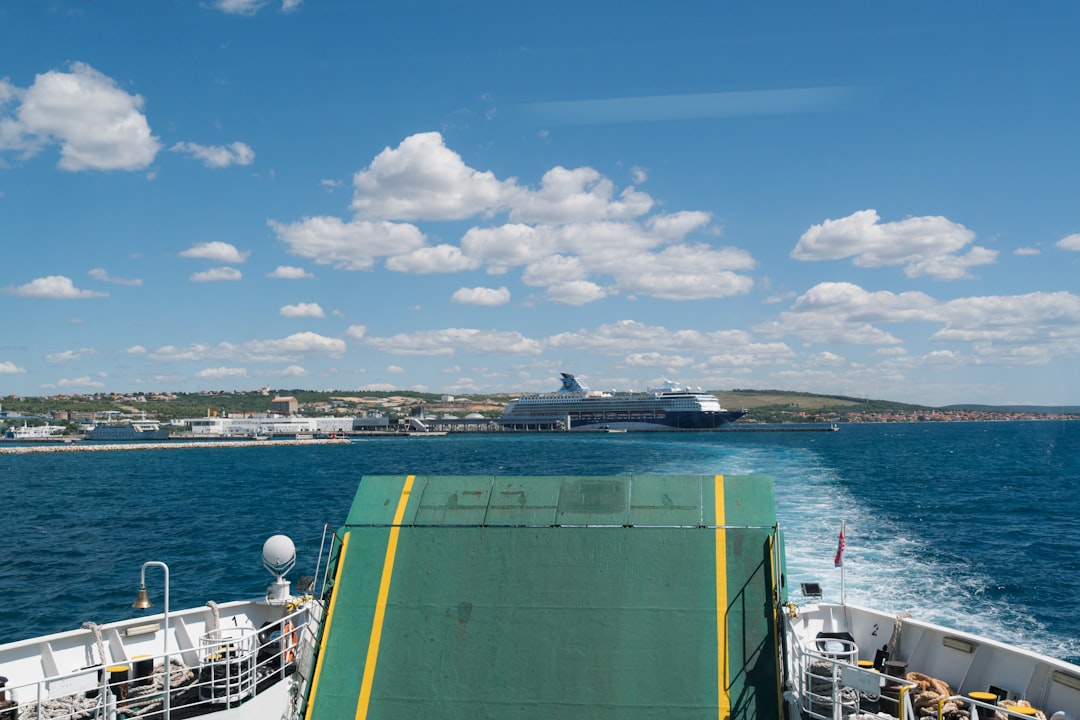
The actual boat journey between ship and shore typically takes between 10 and 20 minutes, depending on how far offshore the ship is anchored. Santorini’s caldera means the ship anchors relatively close to the tender landing at Skala; at other ports the distance is greater. The total time from leaving your cabin to setting foot ashore, however, is a different matter entirely.
On a busy ship on a popular day, factor in: walking to the tender ticket point, waiting for your number to be called (which could be 30 minutes to over an hour depending on when you collected tickets), walking to the tender platform, boarding, and the journey itself. A realistic total from cabin to ashore is 45 minutes to 90 minutes if you’re not in a priority group. This is why collecting tickets early or booking an excursion : makes such a meaningful difference to how much time you actually spend at the destination.
If your ship is in port from 08:00 to 17:00, that's nine hours, but subtract 1–2 hours for tendering each way, and a late-morning departure due to queue times, and you may have four to five hours of actual sightseeing time. Plan your day with that in mind.
Frequently Asked Questions
A tender port is any destination where your cruise ship cannot dock directly at a pier. Instead, the ship anchors offshore and passengers are ferried ashore in smaller boats called tenders. This is common at ports with shallow harbours, no cruise terminal infrastructure, or where local regulations limit large ships from docking.
On most cruise lines, yes : tender tickets are distributed on the morning of the port call, usually from the atrium or a lounge. Tickets are called in batches, so the earlier you collect yours, the sooner you'll get ashore. Passengers booked on ship excursions typically receive priority tender boarding and don't need to queue for tickets.
If sea conditions are unsafe, the captain can suspend or cancel tender operations entirely. This may mean the port call is cut short or skipped altogether. If you're already ashore, the ship will try to get everyone back before departing, but in extreme cases this may not be possible, which is why travel insurance with missed port cover is important.
You can absolutely go ashore independently. Once you're on the tender and ashore, you're free to explore as you wish. The important caveat is that you are entirely responsible for returning to the tender dock in time for the last boat : the ship will not wait for you if you miss it. Build in significant buffer time, especially at busy ports.
The most well-known tender ports in the Mediterranean include Santorini (Greece), Portofino (Italy), Amalfi (Italy), and sometimes Dubrovnik (Croatia) when berths are full. Kotor in Montenegro can also be a tender port depending on conditions. Your cruise line will confirm tender ports in your daily programme on the day of the call.
Boarding a tender requires stepping across a gap onto a moving boat, which can be genuinely difficult or unsafe for passengers with mobility issues. Some cruise lines offer accessible tenders with staff assistance; others may advise certain passengers they cannot go ashore at tender ports. Contact your cruise line before you travel to find out exactly what support is available on your specific itinerary.
The two most effective strategies are: (1) collect your tender ticket the moment distribution opens, ideally being one of the first in the queue; or (2) book a ship excursion, which includes priority tender boarding. Some passengers also wait until mid-morning to go ashore, after the initial rush has cleared, and return early afternoon before the end-of-day queue builds.
Know your last tender time before you step off the boat and treat your personal cut-off as 45 minutes before that. Tender ports include some of the most beautiful destinations in the world. A little planning means you spend your time exploring them rather than standing in a queue.