The most common mistake first-time cruisers make is assuming they’ll figure it out as they go. A cruise ship is essentially a floating resort with its own economy, timetable, and unwritten rules and walking on board without any preparation means you’ll spend the first two days catching up with everyone else. The second most common mistake? Booking the cheapest inside cabin on the biggest ship and wondering why it feels overwhelming.
Done right, a cruise holiday is one of the most effortless ways to see multiple destinations without living out of a suitcase. This guide covers everything that genuinely matters for first-timers: what embarkation day actually looks like, how the onboard account system works, when to book ship excursions versus going independently, and the handful of things that catch nearly every new cruiser off guard.
Choosing the Right Ship and Cruise Line
Not all cruise lines are the same, and the gap between a budget mass-market line and a premium or luxury operator is enormous : in food quality, cabin size, passenger profile, and overall atmosphere. For first-timers from the UK, the most accessible entry points are P&O Cruises and Royal Caribbean for mainstream sailings, Fred. Olsen or Saga for a quieter, older demographic, and Celebrity Cruises or Viking if you want a step up in quality without going full luxury. MSC and Costa offer competitive prices but cater heavily to European and international passengers, which affects the onboard language and vibe.
Ship size matters more than most people realise. A mega-ship carrying 5,000+ passengers : think Royal Caribbean’s Icon of the Seas or Wonder of the Seas : offers extraordinary facilities: water parks, multiple pools, dozens of restaurants, and Broadway-style shows. But they also come with queues, crowds at sea days, and a theme-park atmosphere that some find exhausting. A mid-size ship carrying 1,500–2,500 passengers tends to feel more manageable for first-timers while still offering plenty of choice.
Before you book, be honest about what you actually want from a holiday. If you want lively entertainment, a climbing wall, and a casino, book a large ship. If you want to wake up in beautiful ports and spend evenings at a quiet bar, look at smaller or premium lines. Getting this match right is more important than any other single decision.
- P&O Cruises. British line, UK-friendly pricing, departs from Southampton : ideal for first-timers who want familiar food and culture
- Royal Caribbean. Vast mega-ships with huge entertainment options : best if you want activities and a buzzy atmosphere
- Celebrity Cruises. Premium quality, excellent food, slightly older demographic : a step up without the luxury price tag
- Fred. Olsen. Smaller ships, port-intensive itineraries, older passenger base : suits those who want destinations over entertainment
- Viking Ocean. Adults-only, destination-focused, no casinos or children : premium experience for curious travellers
What Embarkation Day Actually Looks Like
Embarkation day is the one day of the cruise that rarely goes smoothly for first-timers, and that’s almost always because of timing. Most ships board between 11:00 and 15:00, with the masses arriving between noon and 13:00. The result is a bottleneck of thousands of people queuing to check in, clear security, and board. Arrive between 10:30 and 11:30 or wait until after 14:30 and the queues shrink dramatically. Your cabin likely won’t be ready until 14:00–15:00 regardless of when you board, so arriving early means storing your hand luggage and exploring the ship, which is actually a great way to get your bearings.
Your checked luggage will be taken from you at the port and delivered to your cabin door : usually by late afternoon or early evening. Don’t pack anything in your checked bags that you’ll need for those first few hours: medication, valuables, a change of clothes, and your swim kit should all go in your hand luggage. It’s surprisingly common for people to arrive on board in jeans on a hot embarkation day with their shorts locked in a suitcase somewhere in the ship’s hold.
Once on board, use the first hour productively. Head to the main dining room or a speciality restaurant to make reservations for the week. Visit the excursions desk or app to book shore trips. Familiarise yourself with the daily programme, usually a printed sheet called the ‘Daily Planner’ or found in the ship’s app. The muster drill (emergency safety briefing) is mandatory : on most modern ships this is now done via a short video on your cabin TV followed by a brief visit to your muster station. Do it early and get it out of the way.
As soon as you board: (1) make speciality dining reservations, (2) book any sold-out shore excursions, (3) complete your muster drill, (4) explore the ship so you know where everything is. Do these before your first drink at the pool bar.
How the Onboard Account System Works
Nothing on a cruise ship is free except what’s included in your fare and understanding exactly what that includes is essential before you sail. Most mainstream cruises include your cabin, buffet and main dining room meals, basic entertainment, and use of pools and public areas. Everything else : speciality restaurants, most cocktails and branded drinks, spa treatments, casino chips, Wi-Fi, and shore excursions : is charged to your onboard account.
At check-in, you’ll register a credit or debit card against your booking. Everything you spend on board is added to this account, which you settle at the end of the cruise (usually with a bill slipped under your cabin door on the final night). Your cruise card : the key card for your cabin : doubles as your payment method everywhere on board. You simply tap or hand over your card, sign or enter a PIN, and the charge appears on your account. It’s a frictionless system that makes it very easy to spend without realising how much you’ve accumulated.
Set a daily budget before you sail and check your onboard account every two to three days via the TV in your cabin or the ship’s app. Most lines allow you to view your running total at any time. If you’re travelling with children or teenagers, you can set spending limits on their cards. Some cruises : particularly those sold through UK travel agents : include a drinks package or onboard credit as a booking incentive, which can meaningfully reduce your spend. Be clear before you sail about exactly what your package includes.
An unlimited drinks package sounds appealing but typically costs £55–£85 per person per day. Do the maths honestly: if you drink two glasses of wine at lunch and two cocktails in the evening, you're likely better off paying as you go. Packages make sense for heavy social drinkers or if wine with every meal is non-negotiable.
Shore Excursions: Ship vs Independent
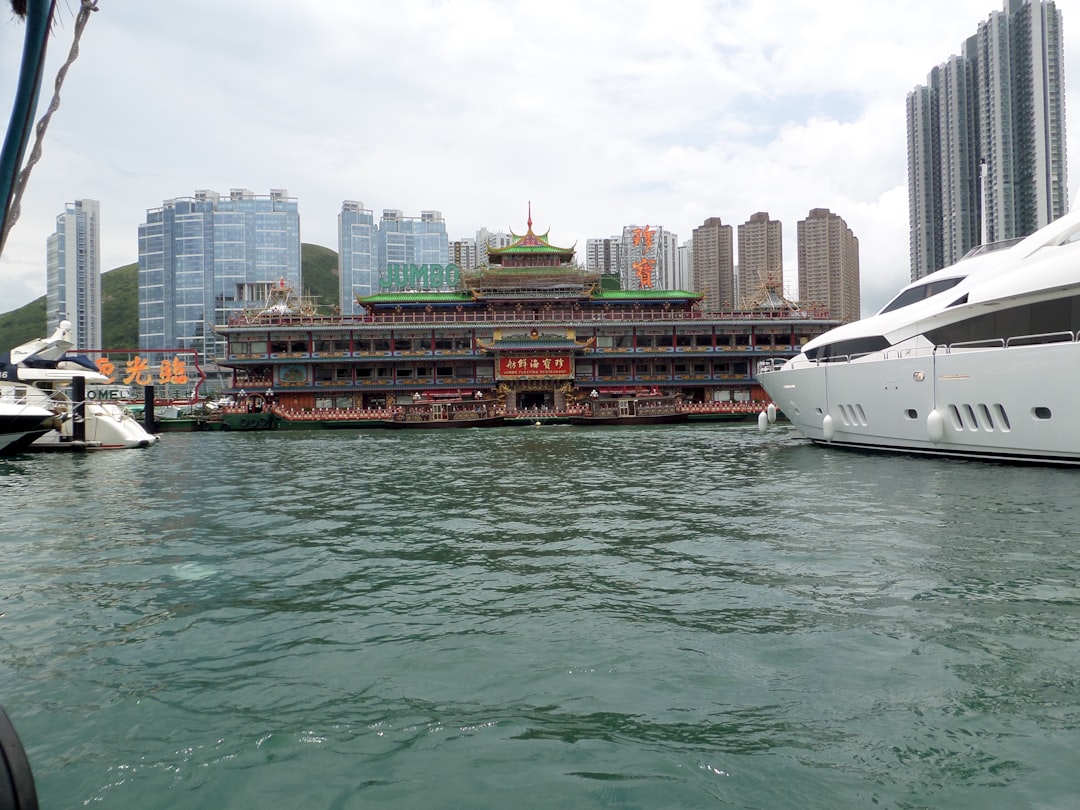
Every port day, your cruise line will offer a menu of organised shore excursions : coach tours, boat trips, guided walks, cooking classes, and so on : ranging from around £40 to £200+ per person. These are convenient, professionally run, and come with one significant guarantee: if your excursion is delayed, the ship will wait for you. That peace of mind has real value, particularly in unfamiliar ports or destinations where transport isn’t predictable.
Going independently : researching your own tours, hiring a taxi, or simply exploring on foot : is almost always cheaper and often more flexible and rewarding. In many popular Mediterranean or Caribbean ports, a taxi tour of the island for four people will cost the same as one person’s ship excursion. Websites like Viator, GetYourGuide, and local operator sites are the starting point for independent research. The key risk is timing: if you miss the ship, you’re responsible for getting to the next port at your own expense. Build in at least 90 minutes of buffer before all-aboard time.
A practical approach for first-timers is to use ship excursions for ports that are logistically complex or feel less safe to navigate alone : Cartagena, some Egyptian ports, or anywhere with significant language barriers and go independently in ports that are well-organised and walkable, such as Dubrovnik, Kotor, or most Caribbean beach ports.
- Research the port before you sail. Look up the port layout, what’s within walking distance of the cruise terminal, and how long a taxi to the main sights takes. Cruise Critic’s port forums are invaluable for this.
- Check the all-aboard time carefully. It’s printed in your Daily Planner and shown on departure boards in the port. Set a phone alarm 2 hours before all-aboard, not 30 minutes.
- Book ship excursions 60–90 days before sailing. Popular ones : private island access, cooking classes, iconic landmarks : sell out before embarkation. Log in to your cruise line account and book as soon as the window opens.
- Use local taxi drivers at the pier. Many ports have regulated taxi drivers immediately outside the terminal who offer set-price island tours. Ask other passengers on the ship’s online forums who they’ve used previously.
Browse our full library of cruise guides, port tips, and advice articles to make the most of every sailing.
Sea Days: Making the Most of Time at Sea
Sea days : days where the ship is sailing between ports without stopping : divide first-timers sharply. Some people love them; others are surprised to find they feel restless or bored by mid-morning. On a large ship, this is unlikely: there’s usually a full day of activities, from trivia and cooking demonstrations to dance classes, live music, and sporting competitions. On a smaller or more port-intensive ship, sea days may be genuinely quieter, and that’s deliberate : the line expects you to read, relax, and decompress.
The pool deck on a sea day fills up quickly. On mega-ships, sunloungers near the main pools can be claimed by 08:00 on warm-weather cruises. If this matters to you, either get up early or find a quieter deck : most ships have secondary pool areas and sun decks that are significantly less crowded. Alternatively, embrace the ship’s indoor options: the library, enrichment lectures, cookery demonstrations, and onboard classes are often genuinely excellent and far less attended than the pool.
Sea days are also the best time to use the spa, book a treatment, or explore the ship’s quieter corners. Speciality restaurants are often easier to book on sea days as passengers are on board all day. And if the ship has a premium viewing area or observation lounge, sea days at sunrise or sunset offer the most spectacular conditions.
- Check the Daily Planner the night before so you can plan your sea day in advance
- Enrichment talks : historians, naturalists, guest speakers : are almost always free and consistently underrated
- The gym is quietest between 07:00–08:30 and 20:00–21:00
- Afternoon tea in the main dining room is usually complimentary and a genuine highlight on British lines
- Wi-Fi on sea days is typically slower : download podcasts, books, and films before you leave home
Dining Options and Dress Codes Explained
The main dining room is included in your fare and operates with set dinner times (typically 18:00 and 20:30 seatings) or ‘anytime dining’ where you turn up and are seated as tables become available. The buffet is always available for breakfast and lunch and usually for casual dinners. Beyond this, most ships have speciality restaurants : Italian, steakhouse, Asian, sushi bar : that charge a supplement of £20–£50 per person. These are worth booking for at least one night; the quality gap between a ship’s steakhouse and the main dining room is significant.
Dress codes vary by line and have relaxed considerably in recent years, but they haven’t disappeared entirely. P&O, Cunard, and Celebrity still operate formal nights : typically one or two per seven-night sailing, where smart dress is expected in the main dining room. For men, this means a suit or smart jacket and trousers; for women, a cocktail dress or smart trouser suit. ‘Smart casual’ nights (most other evenings) means no shorts, flip-flops, or sleeveless vests in the dining room. The buffet is almost always dress-code free. If you genuinely dislike dressing up, choose a cruise line with a relaxed dress policy : MSC, Norwegian, and Royal Caribbean’s main dining rooms are notably more casual.
Food allergies and dietary requirements must be flagged at the time of booking, not on board. Gluten-free, dairy-free, vegan, and kosher options are available on most lines, but the kitchen needs advance notice to prepare them properly. On embarkation day, visit the maitre d’ in your dining room to confirm your requirements face-to-face.
Many first-timers panic about packing formal wear. A dark navy or charcoal suit works for every formal night on any mainstream cruise line. Women's formal options are broad : a knee-length dress or smart separates are entirely appropriate. If you genuinely can't or don't want to dress up, eat at the buffet or a speciality restaurant on formal nights : no dress code applies there.
Tipping: What UK Cruisers Need to Know
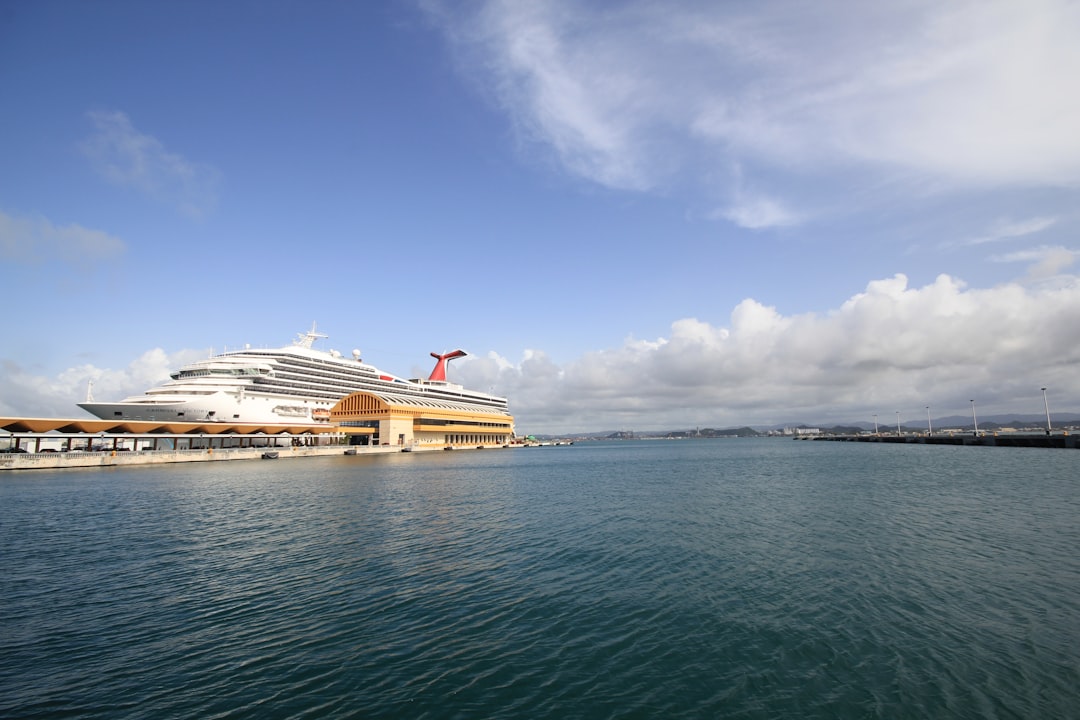
Tipping is one of the most confusing topics for British first-timers, largely because the UK tipping culture is fundamentally different from the American model that most cruise lines operate under. On US-based lines : Royal Caribbean, Celebrity, Norwegian, MSC, Carnival : automatic gratuities of $15–$20 per person per day are added to your onboard account. This covers your cabin steward, dining room waiters, and buffet staff. It’s not optional in the same way a UK service charge isn’t optional; it’s baked into the staffing economics of the ship.
You can visit guest services to reduce or remove auto-gratuities, and some UK passengers do this routinely. The ethical reality is that cruise line staff : particularly those from the Philippines, Indonesia, or Eastern Europe : rely heavily on gratuity income to make their contracts financially worthwhile. The daily rate works out to roughly £1.20–£1.60 per hour in gratuity terms on a typical fare. Most experienced cruisers from the UK simply pay the auto-gratuities and optionally tip outstanding individual staff members : a cabin steward who goes above and beyond, a waiter who’s looked after you all week, with £5–£20 in cash at the end of the cruise.
British lines operate differently. P&O Cruises removed auto-gratuities in 2021 and incorporated service charges into their fares. Fred. Olsen and Saga have similar policies. If you’re sailing with a UK-focused line, check their specific gratuity policy before you go so there are no surprises on your final bill.
On American lines: pay the auto-gratuity without guilt : it's the ethical and practical choice. Carry $20–$50 in small bills (or the local currency) for direct tips to staff who've made a genuine difference to your holiday.
What Surprises First-Timers the Most
Almost every first-time cruiser is surprised by how large modern ships are. Walking from one end of a 300-metre mega-ship to the other takes five to eight minutes and people routinely get lost for the first two days. Most ships number cabin decks from bottom to top, with odd numbers on one side and even on the other. Take a photo of the deck plan on embarkation day, save it to your phone, and you’ll save yourself several frustrated corridor walks. Ships also move more than people expect in open sea : a swell of two to three metres is normal in the Bay of Biscay or North Atlantic and will produce noticeable movement. Cabins at the ship’s midpoint and on lower decks feel significantly less motion than those at the bow, stern, or high decks.
The second big surprise is cost. Cruises are marketed as all-inclusive but the reality for most mainstream lines is that drinks, Wi-Fi, speciality dining, excursions, and spa treatments add significantly to the base fare. A couple on a seven-night cruise can easily spend an additional £500–£1,200 on top of their cruise fare without being particularly extravagant. Go in with a realistic budget, decide in advance what you will and won’t spend on, and check your onboard account regularly.
The third surprise : a pleasant one : is how quickly the routine settles in and how genuinely relaxing cruising becomes. By day three, most first-timers have found their rhythm: favourite spots on the ship, a preferred dining time, faces they recognise. The combination of waking up somewhere new while sleeping in the same bed every night is something no other form of travel replicates, and it converts the majority of first-timers into repeat cruisers.
- Motion sickness patches (Scopoderm) require a prescription in the UK : see your GP before you travel if you’re concerned
- Sea-Band acupressure wristbands are available over the counter and work well for mild nausea
- The ship’s medical centre is fully equipped but charges private rates : travel insurance that covers cruise-specific medical is essential
- Internet packages are expensive on board (£20–£40 per day) : buy before you sail for a small discount, or use port Wi-Fi for free
- Laundry facilities or services are available on most ships : packing lighter than you think you need is almost always the right call
Frequently Asked Questions
For cruises departing from UK ports that visit non-UK destinations, yes : a full UK passport is required. For 'closed-loop' cruises (departing and returning to the same non-UK port), entry requirements vary by destination. Technically, some UK-to-UK cruises only require a passport card or driving licence, but a full passport is always the safest option. Check the specific entry requirements for every country on your itinerary, not just the first port.
Pack lighter than you think. You need one formal outfit (if sailing on a line with dress codes), smart casual clothes for evenings, casual daywear for ports and pool days, comfortable walking shoes, and any medications. Most ships have a small shop for essentials you forget, but prices are inflated. Bring a power strip : cabins typically have only one or two sockets and a lanyard or clip for your cruise card so you don't lose it.
You can absolutely go ashore independently : there's no obligation to book ship excursions. In most ports you can simply walk off the ship and explore. The main risk of going independently is timing: if you miss the ship's departure, you are responsible for making your way to the next port at your own cost. Ship excursions guarantee the ship waits for you; independent trips do not.
Choose an itinerary with calmer waters for your first cruise : the Mediterranean, Caribbean, or Norwegian fjords have considerably less swell than Atlantic crossings or North Sea sailings. Book a cabin on a middle deck, midships (centre of the ship), where motion is least felt. Scopoderm patches (prescription) and Sea-Band wristbands are both effective. Avoid heavy meals and alcohol in rough seas, and stay hydrated. The ship's medical centre stocks seasickness medication if you need it on board.
It depends on the cruise line. Pu0026O Cruises, Saga, and Fred. Olsen have included service charges in their fares and do not add daily auto-gratuities. American lines : Royal Caribbean, Celebrity, Norwegian, MSC, Carnival : add automatic daily gratuities of $15–$20 per person to your onboard account. These can be pre-paid or adjusted, but the expectation is that you pay them. Always check the specific gratuity policy of your cruise line before booking.
An inside (interior) cabin has no windows or natural light : you genuinely cannot tell whether it's day or night without checking your phone. They're the cheapest option and perfectly functional for active cruisers who are rarely in their cabin. Outside cabins have a porthole or window; balcony cabins add a private outdoor space. For a first cruise, spending the extra £100–£300 for at least an outside cabin is usually worthwhile : natural light makes a significant difference to your sense of wellbeing over a seven to fourteen-night sailing.
A muster drill is the mandatory safety briefing that every passenger must complete before the ship departs. It shows you where your life jackets are, how to put them on, and where your muster station (emergency assembly point) is located. Since around 2020–2021, most major cruise lines have moved to a digital muster drill: you watch a short safety video on your cabin TV or app, then check in briefly at your muster station in person. It takes around 20 minutes total. It is genuinely mandatory : the ship will not sail until all passengers have completed it, and incomplete musters will be chased up by crew.
Policies vary by cruise line. Most American lines (Royal Caribbean, Norwegian, Carnival) allow one bottle of wine per adult at embarkation but prohibit spirits. Pu0026O Cruises permits passengers to bring a reasonable amount of their own wine and beer on board. Cunard allows two bottles of wine per cabin. Spirits brought on board are generally confiscated until the end of the cruise. Check your specific cruise line's alcohol policy before packing anything in your hand luggage for embarkation day.
The things that worry first-timers most : getting lost on the ship, not knowing the rules, feeling overwhelmed : settle within 48 hours. What stays with you is waking up in a new harbour, having someone make your bed while you're at breakfast, and realising that the most stressful decision you'll make today is whether to have a second coffee before going ashore. Do your research, set a spending budget, arrive at the port at a sensible time, and book the important things before you sail. The rest takes care of itself.