Cruise Shuttle Buses Explained: When You Need Them and How to Use Them
One of the easiest cruise mistakes is assuming every port is walkable from the ship. Many are not.
That is where shuttle buses matter. This guide explains when you will need one, how they usually work, and how to plan around queues and return timing.
This guide explains how shuttle setups really work, how to budget time and money for them, and how to avoid the timing mistakes that cause unnecessary stress late in the day.
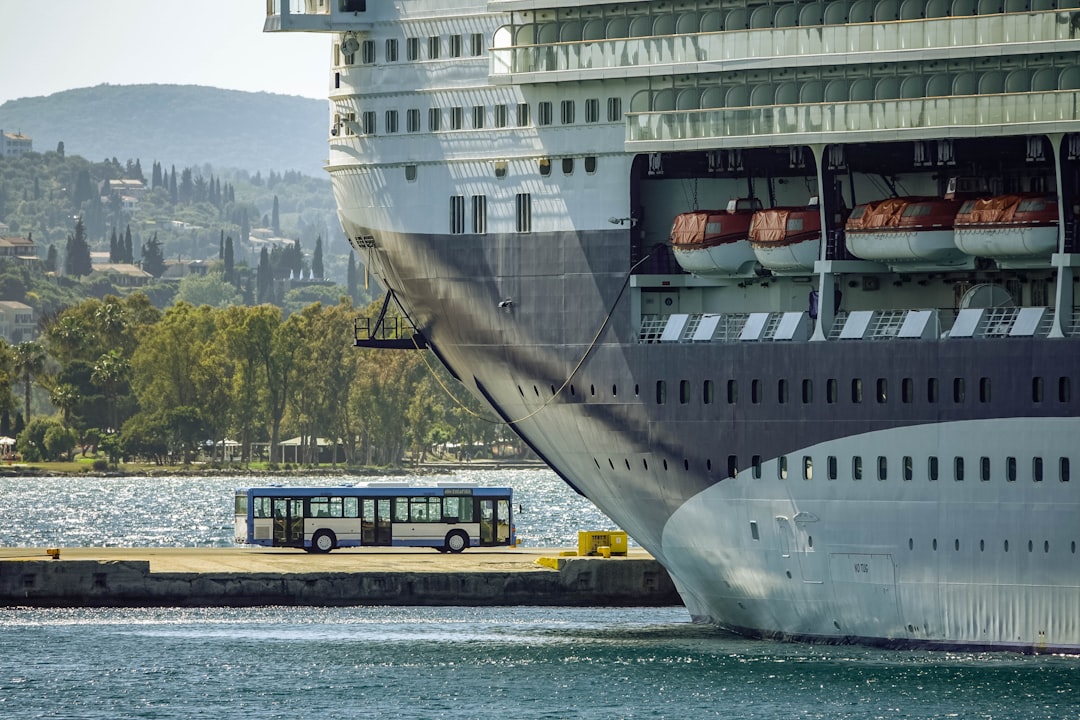
What a Cruise Shuttle Bus Actually Is
A cruise shuttle bus is a transfer service between your ship’s berth and the practical town access point. In many ports this is the only realistic first leg, especially when ships dock in working cargo zones or at distant piers.
Shuttles are not one universal product. They can be run by the cruise line, the port, or a private contractor. Some are included, some are charged per person, and some are sold as return-only tickets with fixed boarding points.
Your first planning step should be actual berth location, not destination assumptions. The same city can feel walkable on one berth and completely shuttle-dependent on another.
Port maps and satellite views can be misleading inside restricted areas. Always use the ship's same-day instructions for permitted routes and shuttle pickup points.
How to Know if You Need a Shuttle Before You Sail
Check three sources before every cruise day: your cruise line app, the daily program delivered onboard, and current passenger reports from the same berth if available. This gives you a realistic view of whether walking is practical.
If your day plan depends on shore excursion timing or independent travel connections, treat need for a shuttle as a core variable. It directly affects your first and last hour ashore.
This is especially important for a first-time cruiser, because early assumptions about easy access can cascade into missed reservations and rushed returns.
- Check berth assignment the night before. Outer and industrial berths often change practical transport compared with central quays.
- Confirm first shuttle departure time. Do not assume continuous service from first gangway opening.
- Ask if return service is fixed or rolling. Some ports run fixed departure slots rather than constant loops.
- Save the shuttle drop-off location. Pin it in your phone map before leaving, especially in large waterfront cities.
Shuttle Costs, Queues, and Time Math
Shuttle cost varies widely by port and operator. Some lines include transfers, while others charge separately. Even when cost is modest, queue time is the hidden factor that most impacts your day.
On busy days with multiple ships in port, the queue can take longer than the ride itself. A 12-minute shuttle can still take 40 minutes from ship to town when queues and boarding delays stack up.
If you are comparing a ship excursion with doing it yourself, include this delays getting from ship to town. It is often the deciding factor in whether an independent plan stays low-risk.
- Predictable transfer route. Shuttles remove uncertainty about how to leave restricted port zones.
- Usually less stressful than grabbing a random taxi. Official pickup points make it clear where to go and avoid fare haggling.
- Useful in poor weather. A direct ride can preserve energy for your actual day ashore.
- Queue bottlenecks. Peak return periods can create long waits near all-aboard time.
- Limited flexibility. Fixed drop-offs may not match your ideal route for independent travel.
- Double-delay risk. If local transport is already running late, shuttle queues can slow you down again.
Assume two extra queue events: one outbound and one inbound. Build your schedule as if each could cost 20-30 minutes.
Browse our full library of cruise guides, port tips, and advice articles to make the most of every sailing.
Doing Your Own Day from Shuttle Ports
You can absolutely explore independently from shuttle ports, but your plan should be tighter than at fully walkable docks. Make one anchor objective, then keep backup options close to the shuttle drop-off zone.
When deciding between a ship excursion and doing your own plan, ask whether your must-do activity involves another long transfer. If yes, the combined timing risk may justify a packaged option.
A practical middle path is one pre-booked independent activity plus flexible local time. That often gives better value than over-stacking multiple fixed-time bookings.
- Prioritise one main objective before lunch
- Keep your second activity close to transport routes
- Avoid chaining two long-distance transfers on the same day
- Set a hard turnaround alarm before all-aboard
Return Strategy: Avoiding Last-Hour Panic
Most shuttle-related stress happens on return, not outbound. Late afternoon crowds, weather shifts, and city traffic all push people back toward the same pickup point at once.
If your berth is outer or industrial, use a conservative return buffer. For most cruise calls, 60-90 minutes is the safe range once shuttle dependence is part of the equation.
Do not base your final return on ideal queue conditions. Build for realistic congestion and give yourself a extra time that protects the day.
Do not plan to board the final advertised shuttle back. Aim to be at the stop at least one full cycle earlier.
Shuttle Day Packing and Planning Checklist
A good packing checklist improves shuttle-day reliability more than most people expect. Keep essentials in one small day bag so queue delays or weather changes do not disrupt your plan.
If you are heading into cooler destinations, treat layers and waterproofing as essentials, not optional extras. A cold-weather port day can feel much longer when you are standing in open-air queues.
For recurring cruise travelers, this checklist quickly becomes habit and reduces decision fatigue on every shuttle-dependent call.
- Ship card, photo ID, and local payment method ready before gangway
- Offline map pin for shuttle drop-off and pickup
- Weather layer and compact waterproof jacket
- Water, basic medication, and phone power bank
- Hard return alarm set well before all-aboard
Frequently Asked Questions
No. Some are included by the cruise line or port, while others are paid services. Cost and ticket format vary by port and operator, so check same-day information onboard.
Sometimes, but not always. At industrial or outer berths, walking may be restricted, unsafe, or too slow for a practical port day. Use official guidance from the ship and port.
A safe default is 60-90 minutes before all-aboard, depending on queue conditions and berth distance. On multi-ship days, use the higher end of that range.
Not automatically. Independent travel can still work well. What matters most is whether your plan adds further long transfers after the shuttle leg. If it does, packaged options may reduce risk.
Assuming a port is walkable based on destination name alone. Always confirm your actual berth and transfer setup before committing to fixed-time plans ashore.
Check berth first, plan one anchor activity, and protect your return buffer. Do those three things and shuttle-dependent ports become straightforward, even on busy cruise days.