Tender Ports Explained: What They Are and How to Handle Them
You’ve booked a Mediterranean cruise, you’re excited to see Santorini, and then the day arrives and your ship doesn’t dock. Instead, it anchors offshore and you’re told you need to board a small boat to get ashore. If no one warned you this was going to happen, it can feel like an unwelcome surprise. But tender ports are completely normal, and once you understand how the process works, they’re straightforward to handle.
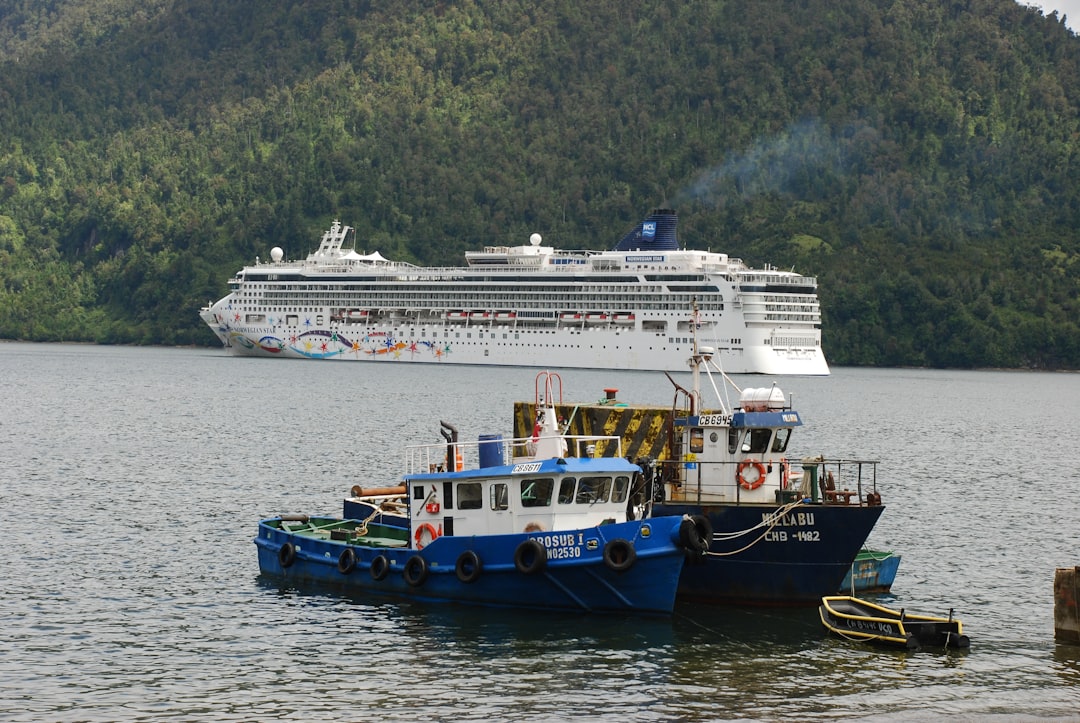
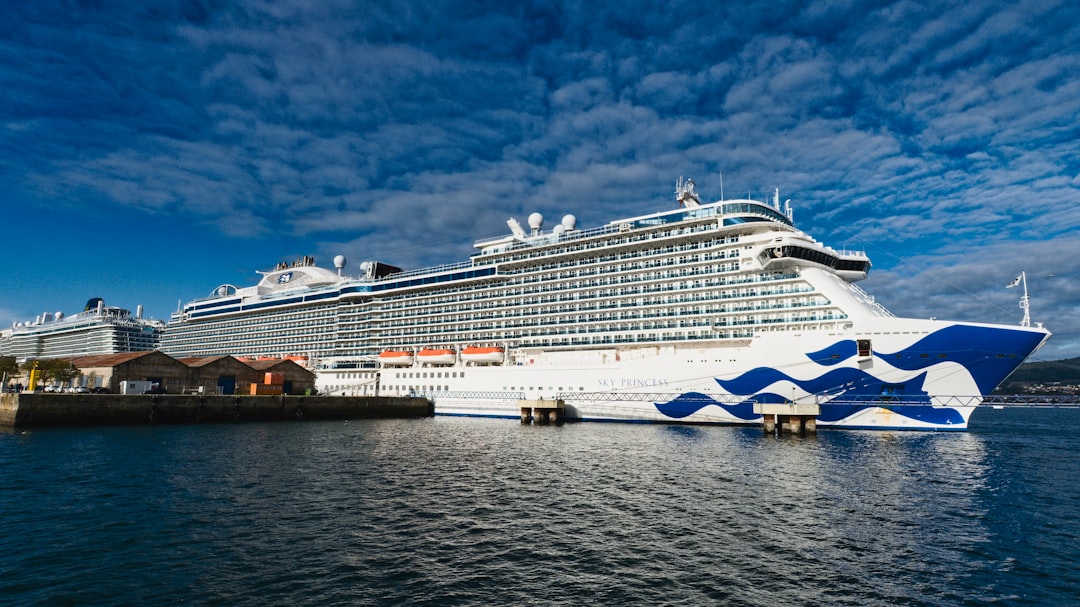
A tender port is simply any port where the ship cannot dock directly at a pier : usually because the harbour is too shallow, too small, or the destination has no cruise terminal capable of handling large vessels. Instead, the ship anchors in the bay and smaller boats, called tenders, shuttle passengers back and forth to shore. Some of the most iconic stops on any Mediterranean itinerary are tender ports, so it’s well worth knowing what to expect before you arrive.
What Is a Tender Port and Why Do Ships Use Them?
A tender port is a destination where your cruise ship anchors offshore rather than berthing at a quayside. This happens for several reasons: the harbour may be too shallow for a large ship’s draft, the port infrastructure simply doesn’t exist to accommodate cruise vessels, or local authorities limit the number or size of ships that can dock to protect the town or environment. In some cases : Santorini being the most famous example : the geography makes a traditional pier impossible.
The tenders themselves are either the ship’s own lifeboats, which are repurposed for this role during port calls, or dedicated shore boats operated by the port. They typically carry 50–150 passengers per trip and run continuously throughout the day, so there’s a constant service between ship and shore once operations begin.
Santorini, Greece : anchors in the caldera; tenders run to Skala (or you can take the cable car up to Fira)
Portofino, Italy : tiny fishing village with no cruise berth; tenders land at the harbour quay
Kotor, Montenegro : occasionally tenders depending on berth availability
Dubrovnik, Croatia : ships sometimes anchor when berths are full; tender to Gruž or the old town port
Amalfi, Italy : no dedicated cruise pier; tenders land at the town jetty
Honfleur, France : historic harbour unsuitable for large vessels
Lerwick, Shetland : frequent tender port for ships on Norwegian or British Isles itineraries
How the Tender Process Works: Tickets, Timing, and Queuing
On a tender port day, the ship’s daily programme will include specific instructions : read them the night before. Operations typically begin around 08:00–09:00 once the ship has anchored and the port authorities have cleared the vessel. You cannot simply walk down to the tender platform whenever you feel like it; there is a queuing and ticketing system in place to manage the flow of several thousand passengers.
Most cruise lines issue tender tickets on a first-come, first-served basis from a central location : often the atrium or a lounge : on the morning of the port call. Tickets are called in numerical batches, so the earlier you collect yours, the sooner you’ll get ashore. If you’ve booked a ship-organised excursion, you’ll almost always receive priority boarding, meaning you bypass the general queue entirely and board one of the first tenders out.
Want to be first ashore?
Either book a ship excursion (priority tender is included) or head to the tender ticket distribution point the moment it opens. Being number 30 in the queue rather than number 300 can save you well over an hour on a busy day.
Once your number is called, you make your way to the tender platform : usually on a lower deck. Staff will help you step across into the boat. The journey to shore takes anywhere from 10 to 20 minutes depending on how far out the ship is anchored. Tenders run continuously, so returning to the ship is simply a matter of joining the queue at the shore-side tender dock : no ticket required for the return leg.
What Happens If the Weather Turns Bad
This is the part nobody likes to talk about, but it happens: tenders can be suspended or cancelled entirely if sea conditions are deemed unsafe. Even a moderate swell can make stepping between a moving tender and the ship’s platform genuinely dangerous, and the captain will not operate tenders if the risk is too high. This can mean a partial day ashore is cut short, or : in the worst case : the port call is skipped completely.
If you’re already ashore when conditions deteriorate, the ship will do everything possible to get passengers back before departing. In extreme situations the ship may remain anchored longer than planned or, very rarely, passengers may need to make alternative arrangements to catch the ship at the next port. This is exceptionally rare, but it underlines why travel insurance with missed port and missed ship cover matters.
Weather can cancel your port call entirely
If tenders are suspended before operations begin, the ship may simply move on to the next destination. This is a known risk at tender ports : it's worth checking the weather forecast the evening before and having a backup plan for how you'll spend the day on board.
Autumn and winter Mediterranean itineraries carry a higher weather risk than summer sailings. If Santorini or Amalfi is a must-do for you, consider sailing between May and September when conditions are most stable. Norwegian and British Isles tender ports carry risk year-round.
Plan Your Cruise with Confidence
Browse our full library of cruise guides, port tips, and advice articles to make the most of every sailing.
Tips for Getting Ashore Quickly and Making the Most of Your Time
Time is genuinely compressed at tender ports. You’re losing 20–40 minutes in tender travel alone, the queue to get ashore can add another 30–60 minutes on a busy ship, and you need to be back at the tender dock well before the last boat. On a port call with a 17:00 departure, you may only have five or six hours ashore if you’re not strategic about it.
Read the daily programme the night before. Find out when tender tickets are being distributed and set an alarm. Being at the front of the queue when distribution opens makes a significant difference.
Book a ship excursion for guaranteed priority. Even if you’d normally go independent, a ship excursion on a tender day buys you priority boarding. You can still explore independently after the tour finishes.
Note the last tender time and subtract 30 minutes. The official last tender is the absolute cut-off. Aim to be at the shore-side dock at least 30 minutes before that, especially at popular ports where queues build up late in the afternoon.
Have cash in the local currency. Smaller tender ports often have limited card payment options ashore. Euros are accepted widely in the Mediterranean, but having small notes saves hassle.
Travel light. Stepping in and out of tenders with a large rucksack or bulky beach bag is awkward. Keep your day bag compact and wear your valuables rather than carrying them separately.
If you’re sailing on a larger ship with 3,000-plus passengers, mornings at tender ports can be genuinely chaotic. Some experienced cruisers deliberately wait until mid-morning to go ashore, avoiding peak queues, and then return in the early afternoon before the rush back begins. Whether that trade-off is worth it depends on how much time you have at that port.
Mobility Considerations at Tender Ports
Tender ports present real accessibility challenges that are worth understanding before you book. To board a tender, passengers must step across a gap between the ship’s platform and the boat and both are moving, even in calm conditions. For passengers who use wheelchairs, have limited mobility, or have difficulty with steps and uneven footing, this transfer can be difficult or impossible.
Cruise lines handle this differently. Some will operate a dedicated accessible tender with a lowered boarding point and staff assistance; others will advise passengers with significant mobility needs that they may not be able to go ashore at tender ports. It is essential to contact your cruise line directly before you travel to ask specifically about accessibility at any tender ports on your itinerary. Do not assume that because you can manage the ship’s gangway, you’ll be able to board a tender.
Mobility and tender ports : check before you book
If mobility is a concern, ask your cruise line or travel agent for a list of which ports on your itinerary are tenders and what accessibility support is available at each one. Some lines will also note tender ports in your booking documentation : read it carefully.
Can You Book Independent Tours at Tender Ports?
Yes and many passengers do so successfully. Independent touring at tender ports works well as long as you plan around the tender timetable rather than ignoring it. The key difference from a docked port is that you cannot simply run back to the ship if you’re running late; you are dependent on the tender service, and the ship will not wait if you miss the last boat.
If you’re booking a private tour or using local transport, build in significant buffer time at the end. At somewhere like Santorini, where queues for the cable car down to the tender dock can be long on busy days, you should aim to be at the bottom of the cable car : not at the top : at least 45 minutes before the last tender. Many experienced independent travellers set a hard personal cut-off an hour before the last tender and stick to it regardless of what they’re in the middle of.
More flexibility. Go where you want, at your own pace, without being tied to a group itinerary.
Often cheaper. Local taxi drivers and private tour operators at tender ports are well-accustomed to cruise passengers and offer competitive pricing.
Avoid group crowds. Ship excursion groups from a large vessel can overwhelm small villages. Going independently often means a noticeably better experience.
Risk of missing last tender. There is no safety net. If your private driver is late, that is your problem and the consequences are serious.
Weather risk falls entirely on you. If tenders are suspended while you’re ashore, you need to manage the situation yourself. Ship excursion passengers are prioritised when conditions are marginal.
How Long Does the Tender Journey Take?
The actual boat journey between ship and shore typically takes between 10 and 20 minutes, depending on how far offshore the ship is anchored. Santorini’s caldera means the ship anchors relatively close to the tender landing at Skala; at other ports the distance is greater. The total time from leaving your cabin to setting foot ashore, however, is a different matter entirely.
On a busy ship on a popular day, factor in: walking to the tender ticket point, waiting for your number to be called (which could be 30 minutes to over an hour depending on when you collected tickets), walking to the tender platform, boarding, and the journey itself. A realistic total from cabin to ashore is 45 minutes to 90 minutes if you’re not in a priority group. This is why collecting tickets early or booking an excursion : makes such a meaningful difference to how much time you actually spend at the destination.
Total time ashore is shorter than you think
If your ship is in port from 08:00 to 17:00, that's nine hours, but subtract 1–2 hours for tendering each way, and a late-morning departure due to queue times, and you may have four to five hours of actual sightseeing time. Plan your day with that in mind.
Frequently Asked Questions
A tender port is any destination where your cruise ship cannot dock directly at a pier. Instead, the ship anchors offshore and passengers are ferried ashore in smaller boats called tenders. This is common at ports with shallow harbours, no cruise terminal infrastructure, or where local regulations limit large ships from docking.
On most cruise lines, yes : tender tickets are distributed on the morning of the port call, usually from the atrium or a lounge. Tickets are called in batches, so the earlier you collect yours, the sooner you'll get ashore. Passengers booked on ship excursions typically receive priority tender boarding and don't need to queue for tickets.
If sea conditions are unsafe, the captain can suspend or cancel tender operations entirely. This may mean the port call is cut short or skipped altogether. If you're already ashore, the ship will try to get everyone back before departing, but in extreme cases this may not be possible, which is why travel insurance with missed port cover is important.
You can absolutely go ashore independently. Once you're on the tender and ashore, you're free to explore as you wish. The important caveat is that you are entirely responsible for returning to the tender dock in time for the last boat : the ship will not wait for you if you miss it. Build in significant buffer time, especially at busy ports.
The most well-known tender ports in the Mediterranean include Santorini (Greece), Portofino (Italy), Amalfi (Italy), and sometimes Dubrovnik (Croatia) when berths are full. Kotor in Montenegro can also be a tender port depending on conditions. Your cruise line will confirm tender ports in your daily programme on the day of the call.
Boarding a tender requires stepping across a gap onto a moving boat, which can be genuinely difficult or unsafe for passengers with mobility issues. Some cruise lines offer accessible tenders with staff assistance; others may advise certain passengers they cannot go ashore at tender ports. Contact your cruise line before you travel to find out exactly what support is available on your specific itinerary.
The two most effective strategies are: (1) collect your tender ticket the moment distribution opens, ideally being one of the first in the queue; or (2) book a ship excursion, which includes priority tender boarding. Some passengers also wait until mid-morning to go ashore, after the initial rush has cleared, and return early afternoon before the end-of-day queue builds.
The golden rule at tender ports
Know your last tender time before you step off the boat and treat your personal cut-off as 45 minutes before that. Tender ports include some of the most beautiful destinations in the world. A little planning means you spend your time exploring them rather than standing in a queue.
Get Your Free Cruise Packing List
Join over 50,000 cruisers who trust PortAdventurer. Get the checklist, plus weekly guides, visa tips and exclusive deals.
No spam, ever. Unsubscribe anytime.
Free Packing Checklist Weekly Port Guides Exclusive Deals Visa Updates
Shore Excursions vs Going Independent: Which Should You Choose?
Every time your ship pulls into port, you face the same choice: pay the cruise line’s price for a packaged excursion, or step off the gangway and sort yourself out. Ship excursions are easy : they’re marketed hard, they’re right there in the app, and thousands of your fellow passengers book them without a second thought. But easy comes at a price. On a typical seven-night Mediterranean cruise, a couple booking ship excursions at every port could spend £800–£1,200 on top of what they’ve already paid for the cruise itself.
Going independent isn’t complicated, but it does require a bit of planning before you sail. Get it right and you’ll see more, spend less, and often have a far better experience than the coach-and-commentary crowd. Get it wrong : miss the ship, book a dodgy operator, or find yourself stranded at a tender port and it can ruin your trip. This guide gives you the full picture so you can make the right call at every port.
What Ship Excursions Actually Cost
Cruise lines mark up shore excursions significantly : industry estimates put the margin at 40–60% over what the same tour costs booked directly. A half-day Rome highlights tour that a local operator sells for £45 per person will typically appear in the ship’s excursion catalogue at £85–£110. A snorkelling trip in the Caribbean that costs £30 booked dockside will often be listed at £75 or more. These aren’t hidden fees : they’re right there on the price tag, but most passengers don’t realise how stark the difference is until they start comparing.
The gap widens further when you factor in group size. Ship excursions routinely run with 40–50 passengers per coach, which limits where you can go and how long you can spend anywhere. A private or small-group tour booked through Viator, GetYourGuide, or a local operator will often be cheaper per head and give you a more flexible, personal experience. On a ten-night cruise, the savings from going independent at even half the ports can easily cover flights or travel insurance for the whole holiday.
That said, ship excursions aren’t uniformly overpriced. On specialist itineraries : wildlife encounters, cooking classes with genuine local chefs, exclusive-access historical sites : the cruise line sometimes has negotiated access or expertise that genuinely justifies the premium. The key is to compare before you sail, not after you’ve already clicked ‘book’ on the ship’s app.
No research required. Everything is pre-vetted, pre-booked, and waiting for you in the app.
One payment. Added to your onboard account : no foreign currency or card fees to worry about.
Quality control. Cruise lines drop consistently poor operators from their programme over time.
40–60% markup. You routinely pay nearly double what the same tour costs booked independently.
Large groups. Coach tours of 40–50 people mean slow progress and limited flexibility.
Fixed itinerary. You go where the tour goes, at the tour’s pace : no lingering, no detours.
The Ship Excursion Guarantee : What It Really Means
The most cited advantage of booking through the ship is the guarantee: if your excursion runs late and you’re back after the sailing time, the ship will wait for you. This is real and it matters. Ships do occasionally hold for delayed excursions : usually for 30–60 minutes and passengers on ship-booked tours are never left behind because of a delay caused by the tour itself. That peace of mind is worth something, particularly in complicated or unfamiliar ports.
However, there are important caveats. The guarantee only covers delays caused by the excursion, if you voluntarily wandered off from the group and lost track of time, you’re not protected. The ship will not wait indefinitely; if a tour coach has a serious breakdown miles from port, the cruise line will typically arrange transfers but may sail on schedule if the ship’s own departure window is closing. And critically, if you book with a third-party operator the cruise line recommends but doesn’t officially sell, you may not be covered at all.
For independent travellers, the calculus is straightforward: you are entirely responsible for getting back on time. Miss the ship and you’re paying your own way to the next port : flights, taxis, hotels, which can easily run to £500–£800 per person. The ship guarantee is genuinely valuable in ports where road conditions, traffic, or long distances to attractions make timing unpredictable.
Missing the ship is expensive
If you miss the ship sailing independently, you'll need to reach the next port at your own cost. Budget airline flights across the Mediterranean or Caribbean can cost £150–£400 per person at short notice, plus accommodation if there's no same-day connection. Always build in a 90-minute buffer before sailing time when going independent.
Tender Ports : The Independent Traveller’s Complication
Not every port has a quay where the ship can dock. In tender ports : Santorini, Kotor, Sorrento, Cannes, and many others : the ship anchors offshore and passengers are ferried to land on small tender boats. This creates a bottleneck, and here’s the frustrating part: passengers booked on ship excursions are typically called first. Tender priority for ship-booked excursion passengers is standard practice across almost all major cruise lines.
On a busy day in high season, this can mean independent travellers wait an hour or more to get ashore, eating directly into their port time. In Santorini, which allows only a limited number of cruise ships per day and runs tenders that take 10–15 minutes each way. This delay can be genuinely significant. If you have a pre-booked independent tour with a set start time, a long tender queue is a real problem.
The workaround is to book tender tickets as early as possible when the sign-up opens (usually announced the evening before), accept that you may get ashore 45–60 minutes after ship-excursion passengers, and build that buffer into your planning. Alternatively, at the most tender-heavy ports on your itinerary, a ship excursion may genuinely be worth the premium simply to secure that early-morning access.
Check your itinerary before sailing : your cruise line’s app will usually confirm which ports are tender ports
Sign up for tender tickets the moment they become available, typically the evening before
Book independent tours with a flexible or later start time at tender ports
Santorini, Sorrento, Kotor, and Cannes are among the most commonly tender-affected ports in Europe
In the Caribbean, Grand Cayman and Belize City are frequently tendered
When Going Independent Makes Clear Sense
Some ports are simply easy to explore without help. Lisbon is walkable from the cruise terminal to the city centre in 20 minutes, with a dense network of trams, the hop-on hop-off bus network, and hundreds of independent operators offering city tours at a fraction of ship prices. Barcelona, Palma de Mallorca, Dubrovnik, and Nassau are similar : well-developed tourist infrastructure, clear signage in English, and taxis or public transport that are safe and predictable. At these ports, paying ship prices for a guided coach tour is very hard to justify.
The savings are particularly sharp in the Caribbean. In Cozumel, for example, a ship excursion to a Mayan ruin site or snorkelling reef will typically cost £70–£110 per person. Walk off the ship, turn right along the main drag, and you’ll find local operators offering the same experience for £20–£40. The quality is often identical : many local operators supply guides and equipment to both the cruise lines and their own direct customers. In Nassau, independent water-taxi services and beach clubs operate right at the port for a fraction of ship prices.
City-centre ports with good public transport are the other clear case for independence. In Copenhagen, Tallinn, Amsterdam, and Bergen, the ship docks close to or within walking distance of the city centre, public transport is excellent, and the attractions are the kind you explore at your own pace anyway : old towns, museums, waterfront markets. A ship excursion in these ports often adds structure where none is needed.
Dramatically lower cost. Local operators in the Caribbean and Mediterranean charge 40–60% less than ship excursion prices.
Flexibility. Linger where you want, skip what doesn’t interest you, eat where the locals eat.
Smaller groups. Private and small-group tours feel more like travel, less like a package holiday.
Direct connection. Booking with local businesses puts money directly into port communities.
Plan Your Cruise with Confidence
Browse our full library of cruise guides, port tips, and advice articles to make the most of every sailing.
Complex logistics are the clearest justification for booking through the ship. If your port stop requires a long transfer to reach the main attraction : Ephesus from Kusadasi, Pompeii from Naples, the Acropolis from Piraeus : the ship excursion handles the timing, the transport, and the entry queue. Independent travellers heading to Ephesus from Kusadasi still need to negotiate with taxi drivers, deal with the entry system, and get back on time on Turkish roads. The ship excursion’s premium partly reflects the genuine complexity of managing that smoothly.
Remote or infrastructure-poor ports are another strong case. Alaska cruises call at ports like Skagway, Juneau, and Ketchikan, where the wilderness activities on offer : whale watching, glacier hikes, floatplane tours : require specialist operators with safety certifications, equipment, and local knowledge that genuinely justify the price. The independent options exist but are harder to verify from home, and the consequences of a poor operator choice (a dodgy inflatable, an unqualified guide) are more serious than a mediocre city tour.
Finally, if time is genuinely tight : a port stop of four to five hours : a ship excursion’s predictability has real value. You know exactly how long it takes, when you’ll be back, and what you’ll see. The independent option requires planning, and if your research is thin, you may spend a significant chunk of your short port time figuring out what to do. Ship excursions in short stops are a reasonable insurance policy against wasted time.
Premium price. You’re paying 40–60% more for the logistics and the guarantee : it’s only worth it when those genuinely matter.
Large group experience. Even the best guide is hampered when moving 45 people through a busy site.
Rigid timing. You’re on the tour’s schedule, not yours : no spontaneous diversions.
How to Book Independent Tours Safely
The safest way to go independent is to book before you sail through a reputable platform. Viator and GetYourGuide both offer verified reviews, clear cancellation policies, and customer protection if a tour doesn’t run. Both platforms cover most major cruise ports globally and let you filter by group size, language, and duration. Compare prices between the two : they often list the same operators at different rates. For niche or specialist tours (cooking classes, photography tours, private driver hire), Withlocals and ToursByLocals are worth checking.
When booking, look specifically for reviews from cruise passengers. Phrases like ‘met us at the port,’ ‘flexible pick-up,’ and ‘back well before sailing time’ in the reviews are the signals you want. Avoid any operator who can’t confirm meeting point logistics clearly, who doesn’t list a specific end time, or who has reviews mentioning timing problems. On TripAdvisor, filter reviews by ‘cruise passengers’ where the option is available : the concerns of day-visitors and overnight tourists aren’t the same as yours.
For some ports : particularly in the Caribbean and Mediterranean : Facebook groups for your specific ship and sailing date are invaluable. Passengers frequently organise shared private tours (splitting the cost of a private driver or minibus between four to eight people), which dramatically reduces the per-person cost while maintaining the flexibility of a private arrangement. Search for your ship name and sailing date; these groups often form months before departure.
Book 6–8 weeks before sailing. Popular tours at busy ports sell out. Booking well in advance also gives you more time to research alternatives if your first choice isn’t available.
Use Viator or GetYourGuide for verified operators. Both platforms offer refunds if a tour is cancelled and vet their operators. Read at least 15 recent reviews before booking.
Confirm the meeting point in writing. Get a precise meeting location : not just ‘the port’ but the exact spot. Many ports have multiple exits and quay areas.
Check the end time explicitly. Make sure the tour’s stated finish time leaves you at least 90 minutes before your ship’s All Aboard time.
Join your ship’s Facebook group. Shared private tours organised by fellow passengers often cost 30–50% less than individual bookings on the same tour.
The ‘Back by Sailing Time’ Rule
Every port stop has two times: the ‘All Aboard’ time (typically printed in the daily programme and on port signs at the gangway) and the actual sailing time, which is usually 30 minutes later. The All Aboard time is the one that matters : it’s the hard deadline for independent travellers. Miss it, and you may or may not make it back before the gangway comes up. There’s no buffer built in for you the way there is for ship-excursion passengers.
The 90-minute rule is the standard advice among experienced independent cruisers: your independent tour or activity should end at least 90 minutes before the All Aboard time. This accounts for unexpected delays : slow service at a restaurant, a traffic jam, a queue at a busy attraction : without cutting your day short in normal circumstances. In ports where the distance between the main attractions and the ship is large (Piraeus to Athens, Civitavecchia to Rome), build in two hours.
If you do get caught out : a genuine transport breakdown, a road accident blocking access to the port : call the ship’s emergency number immediately. Every ship publishes a port agent number for exactly this scenario. Acting immediately, communicating your situation, and documenting the cause (a note from a taxi company, a screenshot of a traffic alert) gives you the best possible chance of the ship waiting or the cruise line making arrangements. Saying nothing and hoping is the worst strategy.
Save the port agent number
Before every independent port day, write down the ship's local port agent number : printed in the daily programme or available at the gangway desk. This is the number to call immediately if you're running late. It's different from the main ship number and connects you to someone who can communicate directly with the bridge.
Ports Where Independent Is Particularly Good Value
Dubrovnik is the standout example. The ship excursion for a Dubrovnik city tour runs £55–£80 per person. Walk off the ship, take the ten-minute bus into the old city (around £2 each way), pay the city walls entry of approximately £30, and you’ve had the best experience Dubrovnik offers for a total of £34 per person : less than half the ship price. The old city is entirely walkable, well-signed, and English is spoken everywhere. This is an independent port by default for experienced cruisers.
Cozumel (Mexico) is the Caribbean equivalent. Ship excursions to the Chankanaab snorkelling park or Mayan ruins run £65–£100 per person. Local operators offering the same trips line the street outside the port gates from £20–£35. The quality of equipment and guiding is comparable : many use the same dive masters. Lisbon, Palma, Nassau, and Tallinn all offer similar dynamics: straightforward access, clear English signage, excellent independent operator networks, and ship-excursion prices that simply don’t reflect the ease of going it alone.
By contrast, ports like Kusadasi (for Ephesus), Civitavecchia (for Rome), and Piraeus (for Athens) are the ones where the independent/ship calculus is genuinely close. The distances, logistics, and time pressure make the ship excursion’s premium more defensible : though experienced independent travellers still successfully manage these ports by pre-booking private drivers and planning the timing meticulously.
Dubrovnik, Croatia : city walls and old town, total independent cost under £35 per person
Cozumel, Mexico : snorkelling and ruins, local operators from £20–£35 vs ship prices of £65–£100
Lisbon, Portugal : walkable from terminal, trams and HOHO buses cover the city cheaply
Palma de Mallorca, Spain : cathedral and old town a short walk, beaches accessible by bus
Nassau, Bahamas : beach clubs and water taxis right at the port, significantly cheaper than ship options
Tallinn, Estonia : medieval old town is a 10-minute walk from the cruise terminal, free to explore
Bergen, Norway : fish market and cable car easily reached on foot or by city bus
Frequently Asked Questions
The ship will not wait for independent travellers the way it waits for delayed ship excursions. You'll need to reach the next port at your own expense : budget for £200–£600 per person in flights, taxis, and overnight accommodation if there's no same-day connection. Call the port agent number immediately if you're running late; don't just hope for the best.
It depends on the port. At well-established cruise ports in the Caribbean and Mediterranean, dockside operators are often the same companies that supply tours to the cruise lines : the pricing is just direct. That said, for anything involving water sports, adventure activities, or specialist equipment, pre-book through Viator or GetYourGuide where operators are vetted and insured. Don't hand over cash to someone with no online presence for a high-risk activity.
Yes. Standard travel insurance may not cover the cost of reaching the next port if you miss the ship through your own miscalculation. Look for a cruise-specific policy or a policy that explicitly includes 'missed port departure' or 'catch-up costs.' Several specialist cruise insurers, including those offered by Staysure and Holidaysafe : include this cover as standard.
Absolutely, and this is what most experienced cruisers do. Use ship excursions for complex logistics ports (Ephesus, Pompeii, Alaskan wilderness), tender-priority ports where timing is tight, and any port where you genuinely haven't had time to research alternatives. Go independent at easy-access city ports where the savings are obvious and the risk is low.
They can be. Solo travellers don't have someone to split a private taxi or tour cost with, which narrows the price gap between ship excursions and independent options. However, joining a shared tour organised through your ship's Facebook group, or booking a small-group tour on Viator, still typically delivers significant savings over ship prices and often a better experience than a 45-person coach.
At tender ports (where the ship anchors offshore and uses small boats to get passengers ashore), cruise lines routinely prioritise passengers booked on ship excursions for the early tender runs. Independent travellers may wait 45–60 minutes longer to get ashore in high season. At ports like Santorini or Sorrento where your stop is already short, this delay is significant. Consider whether a ship excursion is worth it at these specific ports for the access priority alone.
On a 14-night Mediterranean cruise with 10–12 port days, a couple booking ship excursions at every port might spend £1,200–£2,000 on excursions. Going independent at the straightforward ports and using ship excursions only where genuinely justified, the same couple could spend £400–£700. A realistic saving of £600–£1,200 per couple on a single cruise is common among those who plan properly.
Viator and GetYourGuide are the two main platforms with the widest coverage, verified reviews, and clear cancellation policies. ToursByLocals and Withlocals are better for private driver hire and smaller-scale local experiences. For shared tours with other passengers on your specific sailing, search Facebook for your ship name and sail date : private group tours arranged this way often undercut even Viator prices.
The smart approach: mix and match
There's no single right answer. Experienced cruisers book ship excursions for genuinely complex or remote ports where the logistics justify the premium, and go independent at the easy-access city ports where the savings are obvious and the risk is low. Build your port-by-port plan before you sail : compare Viator prices against ship excursion prices for each stop, identify your tender ports, and join your ship's Facebook group to find shared private tours. Do that groundwork and you can easily cut your excursion spend in half without missing a thing.
Get Your Free Cruise Packing List
Join over 50,000 cruisers who trust PortAdventurer. Get the checklist, plus weekly guides, visa tips and exclusive deals.
No spam, ever. Unsubscribe anytime.
Free Packing Checklist Weekly Port Guides Exclusive Deals Visa Updates
Are Cruise Excursions Worth the Money?
You’ve paid thousands for your cruise, and then you open the shore excursions brochure. £120 per person for a half-day bus tour. £85 for a snorkelling trip. £160 for a visit to ruins you could arguably reach by local taxi for a tenner. The sticker shock is real, and it leaves most cruisers wondering whether the ship’s excursion programme is genuinely good value or simply the most convenient way to hand over money you didn’t plan to spend.
The honest answer is: it depends entirely on the port. Cruise excursions are excellent value in some destinations and a waste of money in others. Understanding the difference and having a framework for deciding port by port : can save you hundreds of pounds over a two-week cruise without compromising a single experience. This guide gives you exactly that framework, with real price comparisons and specific situations where each option wins.
What Do Cruise Excursions Actually Cost?
Ship-organised shore excursions typically fall into a predictable price range. A half-day coach tour or activity runs £50–£150 per person. Full-day excursions with transfers, a guide, lunch, and entry fees tend to come in at £80–£200 per person. Specialist activities : whale watching, helicopter flightseeing, private shore dining : can exceed £300. These prices are set by the cruise line, which typically marks up the underlying operator cost by 30–50% to cover their commission, booking infrastructure, and the ship’s guarantee.
What’s included varies widely. Some excursions are genuinely comprehensive : return transfers, a licensed guide, all entry fees, and a meal. Others are little more than a bus ride to a landmark where you’re left to wander on your own for two hours. Always read the inclusions line carefully before assuming a higher price means a better experience. The inclusions breakdown in the excursion description tells you more than the price does.
Prices also vary by destination. Mediterranean and Caribbean excursions tend to be mid-range. Alaska and expedition cruising push prices higher because of the logistics involved. Norwegian fjords can be surprisingly cheap for certain activities because the infrastructure is already well developed for tourism.
Half-day coach or cultural tour: £50–£150 per person
Full-day tour with lunch and entry fees: £80–£200 per person
Water sports or active excursions: £60–£120 per person
Private hire (small group or family): £150–£400 per booking
The single biggest argument for booking through the ship is the return guarantee. If your excursion runs late for any reason outside your control : traffic, a delayed attraction, an overrunning guide : the ship will wait for you. Miss the ship on an independent tour and you are responsible for getting yourself to the next port at your own expense, which can cost hundreds of pounds in flights, taxis, and hotels.
This guarantee has genuine monetary value, and the question is whether that value justifies the price premium at any given port. In a straightforward, walkable port where the town centre is five minutes from the dock, the risk of missing the ship independently is negligible. In a port where your destination is two hours away by coach, where road conditions are unpredictable, or where there is only one practical route back, the guarantee becomes significantly more valuable.
It’s worth noting that the guarantee applies to the entire coach, not just you. If one passenger on your ship excursion is delayed, the whole group waits and then the ship waits for the whole group. This occasionally means ship excursions return with very little buffer time, which can be stressful in itself.
Missing the Ship is Expensive
If you book independently and miss sailaway, you pay your own way to the next port. Factor in the cost of a flight, hotel, and transfers : easily £300–£800, when weighing up whether to go independent at a logistically challenging port.
When Ship Excursions Are Clearly Worth It
There are ports and situations where booking through the ship is the right call, full stop. Complex logistics top the list. If getting to your destination requires a combination of transfers, border crossings, or remote terrain, such as a rainforest excursion in Costa Rica, a visit to Machu Picchu from a Peruvian port, or wildlife watching in the Galápagos : the ship’s excursion operators have infrastructure and contingency plans that individual operators often can’t match. When something goes wrong, you want someone whose business depends on that ship waiting for you.
Iconic, high-demand sites are another strong case for the ship. At ports like Ephesus in Turkey, Pompeii in Italy, or the Amber Fort in India, ship excursions have pre-booked entry slots, skip queues where possible, and use licensed, vetted guides. Turning up independently and trying to navigate entry, timing, and transport at a major UNESCO site with two hours before you must be back on the ship is genuinely risky.
First-time visitors to a region often benefit from the structure too. If you have no knowledge of local transport, limited language skills, and no established plan, a ship excursion removes all the friction. The premium you pay partly buys peace of mind, and that is a legitimate value for many cruisers.
Ship guarantee. The ship waits if your tour runs late : no risk of being stranded at port.
Complex logistics handled. Remote destinations, border crossings, and multi-stage transfers are managed for you.
Licensed guides at major sites. Ship operators use vetted guides with official site access, often including queue priority.
No advance research needed. Ideal for first-time visitors or ports where independent options are unclear.
Group safety in numbers. Better suited to destinations with higher security concerns or challenging terrain.
When Ship Excursions Are Not Worth the Money
At easy, walkable ports : think Dubrovnik Old Town, Valletta in Malta, Kotor in Montenegro, or most Caribbean beach towns : there is almost no logistical case for a ship excursion. The old town is often visible from the dock. Taxis to any main attraction cost £10–£20 each way. Local buses are regular and cheap. Paying £80 per person for a coach tour of somewhere you can walk for free is paying a very high premium for a very small convenience.
City ports with good public transport are similarly straightforward. Barcelona, Lisbon, Athens, and Copenhagen all have metro systems, hop-on hop-off buses, and an abundance of pre-bookable independent tours. A private guided tour of the Acropolis for four people, booked through GetYourGuide or directly with a local operator, will typically cost £30–£45 per person compared to £80–£110 on the ship and you’ll be in a group of ten rather than forty-five.
Short port calls are also worth scrutinising carefully. If you’re only in port for five hours, a full-day ship excursion that accounts for three hours of coach travel each way may leave you with almost no time at the actual destination. In these cases, staying close to the port and exploring independently often delivers a better experience than a rushed and expensive excursion.
Significant price premium. Ship excursions typically cost 30–50% more than the same experience booked independently through Viator or GetYourGuide.
Large group sizes. Most ship coach tours carry 40–50 passengers, which means less flexibility, more waiting, and a less personal experience.
Fixed, inflexible itineraries. You go where the tour goes, stop where it stops, and leave when it leaves : no room to linger or explore.
Variable guide quality. Standards vary widely between operators contracted by cruise lines : some are excellent, some are perfunctory.
Unnecessary at easy ports. At walkable or well-connected ports, you’re paying a premium to be told things a free map could show you.
The Walkability Test
Before booking any ship excursion, look up the port on Google Maps. If the main attraction is within 2km of the dock, or if a taxi there costs under £15, ask yourself whether you actually need the ship's tour at all.
Plan Your Cruise with Confidence
Browse our full library of cruise guides, port tips, and advice articles to make the most of every sailing.
Viator and GetYourGuide are the two dominant third-party tour booking platforms, and both have extensive coverage of cruise ports worldwide. For most mainstream Mediterranean, Caribbean, and Northern European ports, you will find dozens of options at significantly lower prices than the ship equivalent. A full-day Pompeii tour that costs £110 per person through a cruise line typically runs £55–£75 per person on Viator, including transfers from Naples port and a licensed guide.
The key practical difference is group size. Ship excursions operate at scale : a 3,000-passenger ship needs to move a large proportion of guests efficiently, and that means large coaches. Independent operators on Viator and GetYourGuide typically cap groups at 8–16 people for guided tours, and private tours for families or small groups are widely available. A smaller group means more time at each stop, more ability to ask questions, and a noticeably more relaxed pace.
The trade-off is that these tours carry no ship guarantee. If an independent tour runs late, you must deal with the consequences. The practical mitigation is to choose tours that are well-reviewed (look for 4.5 stars or above with over 100 reviews), book operators that specifically state experience with cruise passengers, and always ensure the tour is scheduled to return at least 90 minutes before your ship’s all-aboard time. Many Viator and GetYourGuide operators explicitly market to cruisers and understand the timing constraints.
Compare the ship’s excursion description to equivalent Viator or GetYourGuide tours before booking
Filter by reviews, only book operators with 4.5 stars or above and 100+ reviews
Look for descriptions that mention ‘cruise-friendly’ or ‘cruise passengers welcome’
Check the listed return time : aim for 90 minutes before all-aboard, not 30
For family groups, price out a private tour : often comparable to or cheaper than ship excursions per head
Group Size, Guide Quality, and What You Actually Experience
Group size shapes the entire quality of a shore excursion. On a ship tour with 45 people, you spend a meaningful portion of your time waiting : waiting for the coach to fill, waiting at the attraction entrance, waiting while the guide repeats information to the back of the group. At a busy site like Ephesus or Pompeii, a group of 45 creates its own crowd on top of the general tourist crowd. You see the site, but you don’t experience it.
With an independent operator capped at 12 people, the dynamic is entirely different. The guide can tailor the pace and emphasis to the group, answer questions properly, and take routes through the site that large coach groups can’t use. This difference in experience quality is difficult to price, but it is real and consistent across destinations.
Guide quality on ship excursions varies considerably, and you have limited ability to predict it in advance. Some cruise lines use the same vetted operators consistently, and repeat cruisers on those lines develop a feel for which tours deliver. Others contract opportunistically, and quality is inconsistent. Reading recent cruise-specific reviews on forums like Cruise Critic gives you a more accurate picture of what to expect than the ship’s own marketing copy.
Check Cruise Critic Before You Book
The Cruise Critic port forum for your destination will have dozens of first-hand accounts from recent passengers. Search the port name plus your ship name for the most relevant advice on which excursions delivered and which didn't.
A Port-by-Port Decision Framework
Rather than applying a blanket rule, the most effective approach is to evaluate each port on its own terms before your cruise. This takes an hour of research at home but saves significant money and improves your port days considerably. The decision comes down to four questions: How far is the main attraction from the dock? How complex are the logistics to get there? What is the price difference between ship and independent? And how much buffer time do you have before sailaway?
Use that framework to categorise each port as either ‘book through ship’, ‘book independently via Viator or GetYourGuide’, or ‘explore independently with no booking’. Most 7–14 night cruises will include a mix of all three. Expensive ship excursions at complex ports are worth every penny; the same money spent at a walkable port town is largely wasted.
Step 1 : Map the port. Look up the port on Google Maps and identify how far your main target is from the dock. Under 2km: consider walking. Under 10km: consider a taxi. Over 10km with complex routing: research operators.
Step 2 : Price the ship excursion. Note exactly what is included: transfers, guide, entry fees, meals. This is your baseline.
Step 3 : Search Viator and GetYourGuide. Search the port name and your activity. Filter by rating (4.5+) and reviews (100+). Note the price difference and group size.
Step 4 : Check the timing. What time does the ship depart? Does the independent tour return at least 90 minutes before all-aboard? If not, either choose a different tour or book through the ship.
Step 5 : Read recent reviews. Check Cruise Critic forums for your specific port and ship. Look for reports from the past 12 months : ports and operators change.
Step 6 : Make the call. If independent is significantly cheaper, the timing is safe, and reviews are strong: book independently. If logistics are complex or timing is tight: book through the ship.
Specific Ports: Book Through the Ship vs Go Independent
To make the framework concrete, here are real examples of ports where one approach clearly wins. These are based on the most common excursion types, not edge cases.
The independent wins are numerous across Mediterranean itineraries. Dubrovnik: walk the walls yourself for £35 : the ship charges £75 for a group tour to do exactly the same thing. Kotor: the old town is literally across the road from the dock. Split: ten-minute walk to Diocletian’s Palace. Lisbon: Metro from the cruise terminal to the city centre costs under £2 each way. For all of these, paying for a ship excursion is paying for a bus to take you somewhere your legs would do fine.
Ship excursions earn their premium in Alaska (whale watching and glacier tours have complex marine logistics), the Norwegian Arctic (expedition ports with no independent infrastructure), Egyptian ports (security concerns and complex arrangements for Luxor transfers), and any destination where your target is more than 60km from the dock with unpredictable return times. In these cases, the price premium is genuinely buying something you cannot easily replicate independently.
Book through ship : Ephesus (Turkey): queue priority and vetted guides matter at this volume
Book through ship : Skagway Alaska: rail and helicopter tours require ship-level coordination
Book through ship : Aqaba (Jordan): Petra transfer logistics and timing are genuinely complex
Go independent : Dubrovnik: city walls ticket bought at the gate, no guide needed
Go independent : Athens (Piraeus): metro to the Acropolis, buy timed entry on official website
Go independent : Valletta, Malta: everything of note is within 20 minutes on foot from the dock
Go independent : Barcelona: hop-on hop-off bus covers the city better than any coach tour
Go independent : Funchal, Madeira: cable car and market easily done without a guide
Frequently Asked Questions
It depends entirely on the port. At destinations with complex logistics, remote sites, or genuine security concerns, ship excursions offer real value and meaningful risk protection. At easy, walkable ports or well-connected cities, you're typically paying 30–50% more than necessary for a less flexible and less personal experience. Evaluate each port individually rather than applying a blanket rule.
If you're on a ship-organised excursion and it runs late through no fault of your own, the ship will wait for you. This is the single biggest practical advantage of booking through the cruise line. If you're on an independent tour and miss sailaway, you are responsible for your own costs to reach the next port, which can easily run to £300–£800 including flights and a hotel.
On average, 30–50% cheaper for equivalent tours. A half-day guided tour that costs £100 per person through the ship will typically run £55–£75 on Viator or GetYourGuide. The saving compounds across a two-week cruise, if you take six excursions, you could realistically save £150–£300 per person by booking selectively through third-party platforms.
In most mainstream cruise destinations : the Mediterranean, Caribbean, Northern Europe : independent tours from reputable operators on Viator or GetYourGuide are entirely safe and well organised. In destinations with higher security concerns, more complex logistics, or limited tourist infrastructure, the ship's vetting and support network adds genuine value. Research your specific destination rather than applying a general rule.
Choose tours that return to the port at least 90 minutes before your all-aboard time, not 30. Book operators with strong reviews who specifically mention experience with cruise passengers. Have the ship's agent contact number saved on your phone. Know the port address in the local language in case you need to direct a taxi back urgently.
Yes, significantly. Ship excursion coaches typically carry 40–50 passengers. Independent guided tours on Viator and GetYourGuide are usually capped at 8–16 people. Private tours for families or small groups are also widely available. Smaller groups mean a better pace, more interaction with the guide, and a less crowded experience at the sites themselves.
Popular excursions : particularly those to high-demand sites like Pompeii, Ephesus, or any excursion involving a tender port : can sell out weeks before the cruise. Book online as soon as excursions open, which is typically 3–6 months before departure. Last-minute availability exists but is unreliable, especially on larger ships where competition for spaces is high.
The middle ground is a small-group independent tour through Viator or GetYourGuide rather than a free-form independent day. You get a guide, a structured itinerary, and a much smaller group than the ship offers : at a lower price. This option suits cruisers who want a bit of hand-holding without paying the ship's premium.
The Smart Approach: Mix and Match
Don't default to booking every excursion through the ship, but don't reflexively avoid ship excursions either. Spend an hour before your cruise mapping each port: mark the easy ones where you'll go independently, the complex ones where you'll book through the ship, and the in-between ports where a Viator or GetYourGuide small-group tour gives you the best of both. Done properly, this approach delivers better experiences at each port and saves a typical couple £200–£400 over a two-week cruise.
Get Your Free Cruise Packing List
Join over 50,000 cruisers who trust PortAdventurer. Get the checklist, plus weekly guides, visa tips and exclusive deals.
No spam, ever. Unsubscribe anytime.
Free Packing Checklist Weekly Port Guides Exclusive Deals Visa Updates
Best Time to Book a Cruise — When to Get the Best Price
The most persistent myth in cruise travel is that waiting until the last minute will get you the cheapest price. It does happen, but far less reliably than the cruise deal forums would have you believe, and the trade-offs are serious. You could end up with a windowless interior cabin on a lower deck, no usable flight options from your regional airport, and the stress of scrambling to organise travel insurance in a hurry. For most people, most of the time, booking early wins on price, cabin quality, and peace of mind.
That said, there is no single answer to when you should book. It depends on how flexible you are, what type of cruise you want, whether you have children, and which part of the year you are sailing. This guide breaks down every scenario honestly, including when last-minute genuinely does make sense, so you can make the right call for your situation.
Wave Season: The Best Window for Early Bookers
Wave Season runs from January through to the end of March and is the single most important booking period in the cruise calendar. After the Christmas lull, cruise lines release their most competitive fares and added-value offers for sailings throughout the coming year and into the year after. You will routinely see complimentary drinks packages, free gratuities, onboard credit, reduced deposits, or two-for-one deals stacked on top of already-competitive base fares.
Booking during Wave Season for a departure 12 to 18 months away gives you the widest cabin selection across every category. If you have your heart set on a specific cabin type : a mid-ship balcony, an aft-facing suite, or an accessible cabin. This is when those options are plentiful. Popular itineraries on well-regarded ships sell out specific grades months before departure, and the last cabins to go are almost always the cheapest interior rooms, not the ones most people actually want.
Wave Season is also when travel agents are incentivised most aggressively by cruise lines, which means they are often able to pass on additional perks that are not available when booking direct. It is worth calling two or three agents as well as checking the cruise line directly before committing.
Set a Wave Season reminder. Put a recurring reminder in your calendar for the first week of January each year. Spend an afternoon comparing offers across lines before they start to thin out in late February.
Compare total value, not just headline price. A fare with a free drinks package included can be worth £400–£800 per couple more than a slightly cheaper bare-bones fare. Always price up the add-ons before deciding.
Lock in with a low deposit. Many Wave Season offers come with reduced deposits of £50–£100 per person. Use this to secure the cabin you want while you finalise travel insurance and flights.
How Far in Advance Should You Actually Book?
As a general rule of thumb, the more constrained your requirements, the earlier you should book. If you need specific dates due to school holidays, require an accessible cabin, want a particular ship or itinerary that only sails once or twice a year, or are travelling as a large group, booking 12 to 18 months out is not excessive : it is sensible. For more flexible travellers with no school-age children, six to nine months out is often sufficient to secure a good deal on shoulder-season sailings.
Caribbean sailings departing over the Christmas and New Year period are among the fastest to sell out at competitive prices. The same applies to Alaska in July and August, Norwegian fjords in high summer, and any World Cruise segment. For these, treat 12 months as your baseline and consider booking even earlier if the sailing has strong reviews and limited capacity.
Mediterranean sailings in May, June, September, and October offer more flexibility because supply is high : dozens of ships operate similar itineraries across the Western and Eastern Med simultaneously. Here you can often find strong pricing at six months out, particularly if you are open to a few different departure ports.
Last-Minute Cruise Deals: When They Work and When They Don’t
Last-minute cruise deals : typically within four to eight weeks of departure : do exist and can offer genuine savings of 30 to 50 per cent on unsold inventory. Cruise lines have high fixed operating costs and a cabin that sails empty earns nothing, so they would rather discount heavily than go with empty berths. The deals are real. The risks are also real, and most UK travellers underestimate them.
The biggest practical problem for UK cruisers is flights. If you are sailing from Southampton or Dover, last-minute can work well because you are driving or taking the train. But if the itinerary requires flying to a fly-cruise departure port : Barcelona, Miami, Dubai, Civitavecchia : then cheap last-minute cruise fares frequently coincide with expensive, inconvenient, or fully-booked flights. The combined cost can easily exceed what you would have paid booking early, and you will have far less choice of cabin category.
Last-minute booking also creates difficulties with travel insurance. Most standard policies require you to purchase insurance no later than when you make the final payment on your holiday. Buying a policy days before departure for a pre-existing medical condition you have already declared is not always straightforward, and some insurers will not cover cruise-specific risks at very short notice. If you are in good health and completely flexible on dates, destination, and cabin type, last-minute can be a smart move. For everyone else, it is a gamble.
Cabin choice is severely limited : you will likely get what is left, not what you want
Flights from UK regional airports may be unavailable or prohibitively expensive
Travel insurance at very short notice requires careful checking
Solo travellers face even fewer options as discounted single cabins are released early and go fast
Peak sailings (school holidays, Christmas, New Year) rarely appear in last-minute deals at genuine discounts
Shore excursions and dining reservations on popular ships may already be fully booked
Shoulder Season: The Best Combination of Price and Experience
For Mediterranean cruises, May and the second half of September through October represent the best overall value in the cruise calendar. Prices are meaningfully lower than July and August : often 20 to 35 per cent : while weather across the Western Mediterranean, Adriatic, and Greek islands remains genuinely excellent. Ports are also less crowded, which makes a tangible difference to destinations like Santorini, Dubrovnik, and Kotor that become genuinely unpleasant in peak summer due to overtourism.
The Caribbean equivalent is its shoulder season running from late April through June, before hurricane season becomes a material concern, and again in December before the Christmas premium kicks in. Repositioning cruises : covered below : frequently sail during these transitional periods and offer exceptional value.
For Northern Europe, May and early June offer good value for Baltic and Norwegian fjord sailings before the peak summer rush, with long daylight hours and lower prices than July. October is genuinely worth considering for the Canaries, which become increasingly attractive as UK temperatures drop and prices on Mediterranean itineraries soften.
Best shoulder season windows by region
Mediterranean: May and late September–October. Caribbean: late April–June and early December. Norwegian fjords and Baltics: May–early June. Canary Islands: October–November. These windows consistently offer the best price-to-experience ratio for UK cruisers.
Plan Your Cruise with Confidence
Browse our full library of cruise guides, port tips, and advice articles to make the most of every sailing.
Repositioning Cruises: Exceptional Value for Flexible Travellers
Repositioning cruises occur when cruise lines move their ships between deployment regions at the start and end of each season : typically from the Caribbean to the Mediterranean in spring, and back again in autumn, or from Europe to the Middle East in October and November. Because these sailings are one-way (the ship needs to get there regardless), and because they often include several consecutive sea days which are less popular with some passengers, cruise lines price them very aggressively.
A transatlantic repositioning cruise from the Caribbean to Southampton or Lisbon in April or May can cost 40 to 60 per cent less per night than a comparable Caribbean loop itinerary on the same ship. You will typically spend four or five days at sea crossing the Atlantic, which many experienced cruisers actively prefer : it is the perfect opportunity to use the ship’s facilities, attend enrichment talks, and genuinely relax rather than rushing off the ship at every port.
The practical challenge is the one-way nature. You need to fly out to the Caribbean departure port (usually Fort Lauderdale, Miami, or Barbados) and then travel home from the European arrival port, or vice versa in autumn. Factor in those flight costs carefully when comparing prices, but even accounting for flights, repositioning sailings frequently represent outstanding value. They suit retired travellers or those who can take holidays outside of school term dates particularly well.
When repositioning cruises sail
Caribbean to Europe: typically mid-April through May. Europe to Caribbean: late October through November. Europe to Middle East or Asia: October–November. Search specifically for 'transatlantic' or 'repositioning' in cruise line itinerary calendars.
School Holidays and Premium Pricing: What Parents Need to Know
UK school holiday dates are the single largest driver of price premiums in cruise booking. Summer school holidays : roughly late July through August : consistently command the highest prices of the year across virtually all itineraries and cruise lines. Half-term weeks in October, February, and May also see meaningful price spikes, as do the Christmas and New Year period and Easter week.
The premium over shoulder-season pricing can be substantial. It is not unusual for a seven-night Mediterranean balcony cabin booked for the last two weeks of August to cost 30 to 40 per cent more than the identical cabin on the same ship two weeks earlier or two weeks later. Families travelling in these windows should book as early as possible : 12 months out minimum for peak summer, and during Wave Season if at all feasible : because the best-value cabin grades within school holiday sailings sell out quickly.
If you do not have children, organising your cruise around school holiday windows is one of the single most effective ways to reduce cost. Shifting a Mediterranean sailing from mid-August to mid-September saves significant money, typically finds quieter ports, and often brings better weather than the peak of summer heat.
UK summer holidays (late July–August): highest prices of the year across all regions
October half-term: elevated prices, book 6–9 months ahead
February half-term: premium on Caribbean and Canaries sailings
Easter: significant premium, especially on family-friendly ships
Christmas and New Year: peak pricing, sell out very early : book 12–18 months ahead
Monitoring Prices After You Book
Booking early does not mean you are locked into the price you paid. Many cruise lines : particularly the major mainstream operators : will apply a price reduction to your booking if the fare drops after you have paid your deposit, provided you ask and the promotional terms allow it. Some lines apply this automatically; most require you to contact them or your travel agent directly. It is worth checking the current published fare for your sailing once a week or so in the months after booking.
The mechanics of how price reductions are applied vary. Some lines will reduce your outstanding balance. Others will offer onboard credit equivalent to the price difference rather than a cash reduction. A few will only match prices if the new fare is under the same promotional umbrella as your original booking. Read the terms of your booking carefully, and if you used a travel agent, establish upfront what their process is for flagging and actioning price drops on your behalf.
Be aware that price reductions are most common in the three to six months before sailing as lines try to fill remaining inventory. Conversely, if a sailing is selling strongly, prices may increase after you book, which is useful confirmation that you timed your booking well. Either way, monitoring gives you information and occasionally saves you money at no cost.
How to track your fare after booking
Set a weekly calendar reminder to check the published fare for your exact cabin category on the cruise line's website. Screenshot each check with the date. If you see a lower fare, call your travel agent or the cruise line immediately : most will apply the reduction while availability at that price still exists. Do not wait.
Solo Travellers and Single Supplements: Timing Matters More
Solo travellers face a specific challenge: the single supplement. Most cruise lines price cabins for double occupancy and charge solo travellers a supplement : typically 50 to 100 per cent of the per-person fare, when occupying a cabin alone. This effectively means paying 150 to 200 per cent of the headline fare, which significantly narrows the affordability advantage of cruising over land-based holidays.
The good news is that timing your booking correctly matters even more for solo travellers than for couples or groups. Wave Season promotions frequently include reduced or waived single supplements as a specific incentive, and this is when the best solo deals appear. Some cruise lines : Fred. Olsen, Saga, and Cunard among them : have dedicated solo cabins priced at 100 per cent of the standard per-person rate with no supplement at all, and these sell out extremely quickly. For Fred. Olsen and Saga sailings, booking 12 months out for popular departures is not excessive.
Last-minute deals rarely benefit solo travellers in any meaningful way. Single cabins and reduced-supplement offers are released as an incentive for early booking, not as distressed inventory. The cabins available at the last minute are almost invariably double-occupancy cabins with a full supplement attached. Solo travellers should treat early booking as near-mandatory rather than optional.
Solo travellers: act fast in Wave Season
Dedicated solo cabins on lines like Fred. Olsen and Saga sell out within weeks of going on sale, often before Wave Season ends. If solo cruising is your plan, set a reminder for early January and book before the end of January if possible. Waiting until March risks missing the cabins entirely.
Frequently Asked Questions
Yes, but only in specific circumstances. If you are travelling without children, can fly from a major hub airport, are completely flexible on destination and cabin type, and have no pre-existing medical conditions that complicate travel insurance, last-minute deals can genuinely save you money. For most UK families, solo travellers, or anyone with specific requirements, the risks outweigh the savings.
Wave Season runs from January through to the end of March. It is genuinely the best time of year to find added-value promotions on early bookings : complimentary drinks packages, onboard credit, free gratuities, and reduced deposits are all common. It is not always the absolute cheapest price you will ever see, but it combines competitive pricing with the widest cabin selection of the year.
Often yes, but you need to ask. Most mainstream cruise lines will apply a price reduction or offer equivalent onboard credit if the fare for your cabin category drops before the final balance date. Check your specific cruise line's policy, and if you booked through a travel agent, ask them to monitor prices on your behalf and contact the line if a reduction appears.
For flexible travellers, absolutely. Transatlantic repositioning cruises in particular offer some of the best value in cruising : 40 to 60 per cent cheaper per night than comparable loop itineraries. The key is to factor in the cost of one-way flights carefully. Even accounting for a flight to Fort Lauderdale, for example, many repositioning sailings come out significantly cheaper than an equivalent Caribbean week aboard the same ship.
Peak UK school holiday sailings : particularly the last two weeks of July and the whole of August : typically run 20 to 40 per cent above shoulder-season pricing for the same cabin on the same ship. Christmas and New Year sailings carry the highest premiums and also sell out the earliest. If you have school-age children, booking during Wave Season for your peak holiday dates is strongly recommended.
The single supplement is an additional charge applied to solo travellers occupying a double-occupancy cabin alone. It typically adds 50 to 100 per cent to the base per-person fare. The best ways to avoid it are to book a dedicated solo cabin (available on lines including Fred. Olsen, Saga, and Pu0026O Cruises) or to look for Wave Season promotions that specifically waive or reduce the single supplement. These offers are limited and sell out quickly.
For the best combination of price and experience, target May or late September through October departures and book six to nine months in advance. Avoid July and August unless you have no choice : prices are at their annual peak and ports are at their most crowded. If you must travel in peak summer, book during Wave Season (January–March) for your preferred summer sailing to secure the best available price.
Both have merits. Booking direct gives you a direct relationship with the cruise line for queries and amendments. Booking through a specialist cruise travel agent can unlock additional perks : extra onboard credit, cabin upgrades, or price-match guarantees : particularly during Wave Season when agents are heavily incentivised by cruise lines. Compare both before committing, and ensure any agent you use is ABTA and ATOL protected.
The Simple Rule: Book Early, Monitor Afterwards
For the vast majority of UK cruisers, booking during Wave Season (January–March) for a sailing 9 to 18 months away is the single most reliable way to get the best cabin, the best price, and the widest choice of promotions. Once you have booked, set a weekly reminder to check your fare, if the price drops, call and ask for the reduction to be applied. Last-minute deals are not a strategy; they are a gamble that pays off occasionally and fails most of the time.
Get Your Free Cruise Packing List
Join over 50,000 cruisers who trust PortAdventurer. Get the checklist, plus weekly guides, visa tips and exclusive deals.
No spam, ever. Unsubscribe anytime.
Free Packing Checklist Weekly Port Guides Exclusive Deals Visa Updates
Do You Need a Visa for a Cruise? The UK Traveller’s Complete Guide
Ask ten cruisers whether they needed a visa for their last holiday and you’ll get ten different answers : half of which will be wrong. Cruise visa rules are genuinely confusing, and understandably so: your ship visits four countries in seven days, you’re technically ‘in transit’ at some ports, and the rules changed significantly for UK passport holders after Brexit. Get it wrong and you could be turned away at the gangway, denied entry at immigration, or at worst, detained at a port while your ship sails without you.
The good news is that cruise visas are far more manageable than most people fear, as long as you do your homework before you sail. This guide walks UK passport holders through everything that matters: how cruise visa rules differ from a standard flight holiday, what Brexit changed for Mediterranean cruises, which ports genuinely require advance visas, and exactly how to check requirements for any itinerary. By the end, you’ll know precisely what you need and what you can safely ignore.
How Cruise Visas Work Differently to a Flight Holiday
When you fly into a country for a holiday, you pass through that country’s immigration and are formally admitted as a visitor. A cruise is different. Your ship is flagged under a specific country, it operates as your accommodation, and in many ports you are technically a ship passenger in transit rather than an independent tourist arriving overland or by air. This distinction matters enormously for visa purposes.
In practical terms, it means two things. First, the cruise line acts as a kind of guarantor for passengers at many ports : they have agreements with port authorities and are responsible for ensuring you depart with the ship. Second, and most usefully, you often have the option to remain on board at any port you choose. If a particular destination requires a visa you haven’t obtained, or if you simply decide it isn’t worth the paperwork, you can stay on the ship while it is docked. Your fellow passengers go ashore; you have the pool deck to yourself.
None of this means you can ignore visa requirements. If you want to go ashore at a port that requires a visa and you don’t have one, you will not be allowed off the ship : full stop. The stay-onboard option is a fallback, not a loophole. And for some ports, even remaining on board while the ship is docked in that country’s territorial waters can have implications, though in practice this is rare for standard tourist itineraries.
You are treated as a transit passenger at many ports, not a full visitor
The cruise line is responsible for ensuring all passengers depart on the ship
Staying on board is usually permitted if you don’t want to or can’t : go ashore
Visa rules still apply if you disembark, regardless of how briefly
Some ports require advance visas; others offer visa-on-arrival or e-Visas
Mediterranean Cruises and the Schengen Zone After Brexit
This is where Brexit made the biggest practical difference for UK cruisers. Before 2021, British passport holders were EU citizens and could move freely through Schengen countries with no time limits. That is no longer the case. UK passport holders are now treated as third-country nationals under the Schengen Agreement, which means you are subject to the 90/180-day rule: you can spend a maximum of 90 days in the Schengen Area within any rolling 180-day period.
For most one or two-week Mediterranean cruises, this rule will not affect you. A 14-night cruise touching Spain, France, Italy, Greece, and Croatia adds up to perhaps 10–14 days in the Schengen Area : well within the 90-day limit. Where it becomes relevant is if you are a frequent traveller, if you are combining a cruise with a longer land stay in Europe, or if you are doing back-to-back Mediterranean cruises across an extended summer.
It is also worth noting that not all popular Mediterranean cruise destinations are in the Schengen Area. Croatia joined Schengen in January 2023, so it now counts. But Montenegro, Albania, Egypt, Turkey, and Morocco are all outside Schengen : days spent in those countries do not count towards your 90-day limit. Gibraltar, despite being British, is not in Schengen. You do not need a visa to visit any of these as a UK passport holder for short stays.
Which Mediterranean ports are in Schengen?
Schengen ports include: Barcelona, Marseille, Genoa, Rome (Civitavecchia), Naples, Athens (Piraeus), Corfu, Mykonos, Santorini, Dubrovnik, Split, Valencia, Palma de Mallorca, and Lisbon. Non-Schengen ports popular with cruisers include: Istanbul, Bodrum, Kusadasi, Alexandria, Port Said, Casablanca, Agadir, Kotor, and Dubrovnik (now Schengen since 2023 : note this change).
Ports That Require an Advance Visa or e-Visa
Most cruise destinations visited by UK passport holders do not require a visa at all for short stays. But a handful do and getting caught out is not an option. The most commonly encountered requirement is Turkey. Since the UK is no longer in the EU, British passport holders require a Turkish e-Visa. It costs around $50 USD, takes about five minutes to obtain online at evisa.gov.tr, and must be purchased before you travel. Do not leave this until you are on the ship : you need it before you disembark.
India is another destination that catches people off guard, particularly on world cruise segments or repositioning voyages. UK passport holders need a full tourist visa or an e-Tourist Visa (e-TV) to go ashore at Indian ports such as Mumbai, Goa, or Cochin. The e-TV is available online but processing can take several days, so apply well in advance. Similarly, Russia : while currently off most itineraries : historically required advance visas, with some cruise-specific exemptions for short port calls.
Saudi Arabia has opened to tourism relatively recently and increasingly appears on Red Sea and world cruise itineraries. UK passport holders can now obtain an e-Visa. Vietnam, a common stop on Southeast Asia cruises, requires either an e-Visa or a visa-on-arrival letter arranged in advance. Always check the specific entry requirements for Vietnam as the rules have changed repeatedly in recent years.
Turkey e-Visa. Required for UK passport holders. Cost: approx $50 USD. Apply at evisa.gov.tr : takes around 5 minutes. Must be obtained before you arrive in Turkish waters.
Egypt. Visa-on-arrival available at most Egyptian cruise ports for UK citizens, costing around $25 USD. Some cruise lines offer to arrange this for you. Alternatively, obtain an e-Visa in advance at visa2egypt.gov.eg.
India. e-Tourist Visa required. Apply at indianvisaonline.gov.in at least four days before travel. Cost varies; standard e-TV is valid for multiple entries within 90 days.
Vietnam. e-Visa available at evisa.xuatnhapcanh.gov.vn. Valid for 90 days, single or multiple entry. Apply at least a week before your cruise calls there.
Saudi Arabia. Tourist e-Visa now available for UK passport holders. Apply at visa.visitsaudi.com. Note that the visa is not available to all nationalities, and entry requirements can change : verify before booking.
USA (if your cruise calls there). UK passport holders travelling to any US port, including turnarounds in Miami, Fort Lauderdale, or New York : require a valid ESTA. Cost: $21 USD at esta.cbp.dhs.gov. Valid for two years.
Caribbean, Canary Islands, and Atlantic Routes
The Caribbean is generally straightforward for UK passport holders. The vast majority of Caribbean islands, including Barbados, St Lucia, Antigua, Grenada, St Kitts, Jamaica, the Bahamas, and the British Overseas Territories such as Cayman Islands and Turks and Caicos : allow UK citizens to enter without a visa for short stays. You will typically be issued a landing card or tourist stamp on arrival at the port.
The main exception in the region is Cuba. UK passport holders can visit Cuba without a pre-arranged visa, but you do need a Cuban Tourist Card (also called a visa card or tarjeta del turista). Most cruise lines selling Cuba itineraries will arrange this for you as part of the booking process : check with your cruise line to confirm. Cuba also has specific rules around travel insurance: you must have a policy that covers Cuba for the duration of your visit, and Cuban authorities may ask to see proof of it.
The Canary Islands : Tenerife, Gran Canaria, Lanzarote, Fuerteventura : are part of Spain and therefore part of the EU and the Schengen Area. No visa is required for UK passport holders for short stays, but your days there do count towards your 90-day Schengen allowance. Madeira and the Azores are Portuguese territory, also Schengen. The Cape Verde islands, a popular repositioning stop, are not in Schengen and do not require a visa for UK citizens for stays of up to 30 days.
Cuba Tourist Card
Most cruise lines include the Cuban Tourist Card in the price of your cruise when Cuba is on the itinerary. If yours doesn't, you can purchase one through the Cuban Embassy in London or via authorised third-party agencies before you travel. Do not leave this to the last minute : it is a hard requirement.
Plan Your Cruise with Confidence
Browse our full library of cruise guides, port tips, and advice articles to make the most of every sailing.
Transit vs Going Ashore : Understanding the Difference
One of the most misunderstood aspects of cruise travel is the distinction between being in transit and actually going ashore. When your ship is docked at a port, you are technically in transit : the ship is still your base, you have not passed through that country’s immigration, and in many ports you can simply walk down the gangway without any formal entry process. However, the moment you go through the port’s immigration control, whether for an organised excursion or independently : you are formally entering that country and its visa rules apply.
In many cruise ports, particularly in Europe, there is no immigration control at the port gate. You can walk off the ship and directly into the town. This does not mean the entry rules do not apply to you : it means they are not being actively enforced at that point. You are still technically subject to the country’s entry requirements. For most destinations this is academic, since UK passport holders don’t need a visa anyway. But for any port where a visa is required, do not assume that the absence of a visible immigration desk means you can slip through.
Some ports operate a system where the cruise line submits a passenger manifest to port authorities in advance, and immigration clearance is handled collectively rather than individually. This is common in the USA under the Customs and Border Protection system. In these cases, the cruise line will have collected your passport details, ESTA confirmation, or visa information ahead of time, which is why cruise lines ask for this information weeks before sailing.
Do not assume no passport control means no entry requirements
At many European ports you can walk off the ship without showing your passport to anyone. This does not waive the legal entry requirements. If you are ever stopped or checked, not holding the correct documentation could result in fines or being returned to the ship. Always meet the entry requirements for any port where you plan to go ashore.
How to Check Visa Requirements for Your Itinerary
The most reliable source for UK passport holders is the UK Government’s Foreign, Commonwealth and Development Office (FCDO) travel advice pages at gov.uk/foreign-travel-advice. Each country has its own page with up-to-date entry requirements, visa information, and any current travel warnings. This should be your first stop for every port on your itinerary : not travel forums, not Facebook groups, and not advice from fellow passengers who travelled two years ago.
Your cruise line is also a good source, though not infallible. Major cruise lines : P&O Cruises, Royal Caribbean, Norwegian, MSC, Celebrity : publish visa guidance for their itineraries and will often flag requirements in your booking documentation. Some lines will also assist in obtaining visas or arrange group visas for certain ports. Read your pre-cruise documents carefully. However, always cross-reference with the FCDO: the cruise line’s primary obligation is to tell you what they know; the legal responsibility for having the right documentation is yours.
A third useful resource is the International Air Transport Association (IATA) Travel Centre, used by airlines and travel agents worldwide. The timatic.iata.org tool allows you to check entry requirements by nationality, destination, and travel method. It is the same database most airline check-in staff use when verifying your documents. It is not free to access directly, but many travel agents can run checks through it, and some travel booking sites offer access.
FCDO travel advice: gov.uk/foreign-travel-advice : check every country on your itinerary
Your cruise line’s pre-cruise documents and visa guidance pages
IATA Travel Centre (timatic) : the professional standard for entry requirement checks
Contact the embassy or consulate of any country you’re unsure about
Check requirements again closer to travel : rules can change, especially post-Brexit
Allow adequate time for postal visa applications : some take 4–6 weeks
What Happens If You Get It Wrong
If you arrive at a port without the required visa or entry documentation, the most likely outcome is that you are not permitted to leave the ship. Port immigration officers or the ship’s own security will identify the issue when you attempt to go ashore, and you will be turned back to the vessel. This is embarrassing and disappointing, but at least you are still with your ship. The more serious scenario is being detained at immigration inside the port terminal : in this case, the ship may sail without you, leaving you stranded in a foreign country without your luggage.
Cruise lines take a hard line on this because they can face significant fines from port authorities if passengers are found to be travelling without proper documentation. The ship’s company may also be required to repatriate you at their expense : a cost they will seek to recover from you. If you miss the ship at a port due to a visa or documentation issue, you are responsible for making your own way to the next port or home, at your own expense. Your travel insurance may not cover this if the reason for missing the ship was a preventable documentation failure.
There is also the question of what happens at embarkation. At UK departure ports, check-in staff will verify your travel documents before you board. If you are missing a visa for a port on the itinerary, you may be refused boarding entirely. You will not be entitled to a refund. This is an extreme outcome but it does happen : typically when passengers have not read their pre-cruise documentation and have missed a requirement that was clearly stated.
Missing the ship is your problem, not the cruise line's
If you are detained at a port due to missing documentation and your ship departs, the cruise line has no legal obligation to wait or to cover your onward costs. You will need to make your own way to the next port or fly home, and you will need to cover those costs yourself. Travel insurance may not pay out if the cause was a failure to hold required documents.
Travel Insurance and Visa Issues
Travel insurance and visas overlap in a few ways that are worth understanding before you sail. The first is visa refusal prior to your cruise: if you apply for a required visa and it is refused, you will almost certainly not be able to go on your cruise. Most standard travel insurance policies do not cover cancellation losses caused by visa refusal : it is considered a foreseeable risk that you took on when booking. A small number of specialist policies do offer visa refusal cover, but it is not standard. If you are booking a cruise that requires visas you haven’t yet obtained, be aware of this gap.
The second overlap is the scenario described above : missing your ship or being denied boarding because of a documentation failure. Again, most policies will not pay out for this. The standard exclusion is for losses caused by the traveller failing to hold required documentation. If your insurer does pay out, expect a fight. The lesson is simple: sort your visas before you travel.
Where travel insurance does help is with indirect consequences. If you are stranded in a foreign port and incur medical expenses, hotel costs while waiting for a flight home, or emergency transport costs, a good policy should cover these : subject to the specific circumstances and whether the insurer considers the root cause to be a covered event. Check your policy wording carefully and, if in doubt, call your insurer before you travel to understand exactly what is and isn’t covered in a visa-related scenario.
Cruise-specific insurance
Standard travel insurance often has gaps for cruise-specific scenarios. Look for a policy that explicitly covers missed port departure, cabin confinement, and itinerary changes. Some policies also offer 'cruise interruption' cover. Pu0026O, Royal Caribbean, and other major lines offer their own insurance products, but always compare against independent options : they are not always the best value.
Frequently Asked Questions
For most Mediterranean ports, no. UK citizens can visit EU and Schengen countries without a visa for stays of up to 90 days in any 180-day period. The notable exception is Turkey, which requires an e-Visa (around $50 USD, obtained at evisa.gov.tr before travel). Egypt and Morocco are non-Schengen and do not require a visa for short stays.
If your cruise does not call at any US port, you do not need an ESTA. However, if your cruise calls at Miami, Port Canaveral, San Juan (Puerto Rico), St Thomas, or any other US port : even for a single day ashore : you will need a valid ESTA. It costs $21 USD and is valid for two years. Apply at esta.cbp.dhs.gov before you travel.
You will be denied permission to go ashore. In most cases you will simply be turned back to the ship. In more serious cases : particularly if you have already cleared the gangway and reached immigration : you could be detained, and the ship may sail without you. You would then be responsible for your own onward costs.
Yes, in almost all cases. Staying on board while the ship is docked at a port is permitted and is a perfectly reasonable choice if you don't have or don't want to obtain : the required visa. The ship typically remains open to passengers, and facilities like restaurants, pools, and bars usually operate. Bear in mind that some facilities may be limited on port days.
Yes. Visa requirements are country-specific, not cruise-specific. Your cruise line will provide guidance, but the legal responsibility for holding the correct documents is yours. Use the FCDO travel advice pages (gov.uk/foreign-travel-advice) to check every country on your itinerary individually, and do so within a few weeks of travelling in case anything has changed.
In the vast majority of cases, no. If you remain on the ship while it is docked in port and do not pass through immigration, you are technically in transit and the country's visa entry rules do not formally apply to you. There are edge cases : some countries technically require documentation even for ships in their waters, but for mainstream cruise itineraries this is not a practical concern.
Yes, in two main ways. First, UK passport holders are now subject to the Schengen 90/180-day rule for stays across all Schengen countries combined : though most single cruises fall well within this limit. Second, Turkey now requires a pre-purchased e-Visa from UK citizens, which was not required when the UK was in the EU. Always check current requirements, as the post-Brexit rules are still relatively new and not all cruisers are aware of them.
As soon as your booking is confirmed and you know your itinerary. E-Visas like Turkey and Egypt can be obtained online in minutes, but postal or in-person visa applications for countries like India can take several weeks. A safe rule of thumb is to have all visas secured at least six weeks before departure : earlier for complex applications. Don't wait until you receive your cruise documents.
Your Cruise Visa Checklist
Once your cruise is booked: (1) List every country your itinerary visits. (2) Check the FCDO travel advice page for each one at gov.uk/foreign-travel-advice. (3) Note any visa or e-Visa requirements and the cost and method to obtain them. (4) Apply for any required visas immediately : do not wait for your final documents. (5) Check your passport has at least six months validity beyond your return date. (6) Re-check requirements four to six weeks before departure in case anything has changed. (7) Save copies of all visas and e-Visa approval emails to your phone and print a hard copy.
Get Your Free Cruise Packing List
Join over 50,000 cruisers who trust PortAdventurer. Get the checklist, plus weekly guides, visa tips and exclusive deals.
No spam, ever. Unsubscribe anytime.
Free Packing Checklist Weekly Port Guides Exclusive Deals Visa Updates