Cruise Packing List: Everything You Need (and What to Leave at Home)
The most common cruise packing mistake isn’t forgetting something : it’s bringing far too much. Cruisers routinely haul two enormous suitcases aboard, only to discover their cabin has the storage space of a garden shed. You’ll wear a fraction of what you packed, pay excess baggage fees on the flight out, and spend the first evening wrestling a holdall under the bed. The second most common mistake is the opposite: assuming the ship provides everything and arriving without a UK power adapter, only to find your CPAP machine is useless for the entire voyage.
This guide gives you a complete, specific packing list for a 7–14 night cruise from a UK perspective : covering every dress code, the documents you genuinely need, what technology to bring, medication rules, and a clear list of items that will either be confiscated or simply waste precious luggage space. Use it as a checklist, not a suggestion.
Clothing: Daytime and Port Days
Daytime onboard is almost always smart casual : neat shorts, chinos, polo shirts, sundresses, or light trousers. Pool areas are the exception where swimwear is acceptable, but most lines require a cover-up through the buffet and bars. For a 7-night cruise, plan on five to six daytime outfits rather than seven; you’ll repeat combinations and the onboard laundry service is available if needed.
Port days demand comfortable, practical clothing suited to the climate. For Mediterranean itineraries, lightweight breathable fabrics are essential; for Northern Europe or Norway, layer up with a windproof mid-layer. Many ports : particularly churches, mosques, and historic sites : require covered shoulders and knees. Pack at least two lightweight scarves or a pashmina that doubles as a cover-up; they weigh almost nothing and save you from being turned away at the door.
A waterproof jacket is worth its weight regardless of itinerary. Weather changes quickly at sea and in port, and cheap disposable ponchos are not an adequate substitute for a proper rain layer.
- 5–6 casual daytime outfits. T-shirts, shorts, chinos, lightweight trousers, sundresses : mix and match to extend the wardrobe
- 2 swimsuits or swimming trunks. One to wear, one drying : essential if you use the pool or hot tub daily
- Comfortable walking shoes. Trainers or supportive sandals : you’ll cover 10,000+ steps on port days
- Flip-flops or slides. For pool deck and cabin use; not suitable for restaurants in the evening
- Lightweight waterproof jacket. Compact enough to stuff into a day bag; non-negotiable for Atlantic and Northern European routes
- 2 lightweight scarves or pashminas. Cover-up for religious sites, extra warmth in air-conditioned dining rooms, and doubles as a beach sarong
Formal Nights and Evening Wear
Most mainstream cruise lines : P&O, Cunard, Royal Caribbean, Celebrity : still hold formal nights, typically one or two per seven-night sailing. On formal nights, the dress code in the main dining room and most bars is black tie optional: a dark lounge suit for men, cocktail dress or formal gown for women. Cunard’s Queens Grill enforces this strictly; other lines are more relaxed but still expect you to make an effort. Check your specific line’s policy before you pack.
Smart casual evenings, which cover most other nights : require trousers and a collared shirt for men, and a smart dress or blouse-and-trousers combination for women. Jeans are generally acceptable in the evening on contemporary lines like Royal Caribbean and Norwegian, but not on Cunard or traditional P&O sailings. When in doubt, err towards smart rather than casual.
To save space, plan outfits around one or two colour palettes so tops, jackets, and bottoms work interchangeably. Men can pack one dark suit that covers both formal nights and smart casual evenings with a swap of tie or shirt. Women can pack one formal dress and vary it with different accessories, which weigh almost nothing.
- 1 dark lounge suit (men). Covers formal nights and smart casual evenings; add a tie for formal, remove it for casual
- 2–3 smart evening shirts or blouses. Rotate across smart casual evenings to avoid repeating outfits visibly
- 1 formal or cocktail dress (women). Choose a style that can be dressed up or down with different shoes and jewellery
- 2–3 smart casual evening outfits. Dresses, smart trousers with tops, or shirt-and-chino combinations
- Smart shoes. One pair of formal-appropriate shoes covers both formal and smart casual evenings
- Accessories and jewellery. Lightweight way to vary outfits significantly without adding bulk to the suitcase
Toiletries: What the Ship Provides and What It Doesn’t
Almost all mainstream cruise lines provide shampoo, conditioner, and body wash in wall-mounted dispensers in the shower. The quality ranges from adequate to surprisingly decent, depending on the line : Cunard and Celebrity tend to provide better-quality products. What they do not provide: toothbrush, toothpaste, razor, shaving foam, deodorant, or any skincare products. Pack these yourself.
Bring all toiletries in containers of 100ml or under if you’re flying to a cruise port, in line with UK airport security rules. Decant products from full-size bottles into reusable travel bottles : you don’t need a full 250ml of shampoo for a fortnight. A solid shampoo bar eliminates liquid restrictions entirely and lasts longer than a travel bottle.
Sun cream is available in the ship’s shop but at significantly inflated prices : expect to pay £15–£25 for a standard bottle. Buy it before you travel. The same applies to after-sun, insect repellent for tropical itineraries, and any prescription skincare.
- Toothbrush and toothpaste. Not provided. This is the most commonly forgotten item
- Deodorant. Travel-size roll-on or stick; the ship’s shop stocks it but charges a premium
- Razor and shaving foam. Or a safety razor with spare blades : note blades must be packed in hold luggage
- Sun cream SPF 30+. Bring enough for the full trip; onboard prices are 2–3x high street rates
- Insect repellent. Essential for Caribbean, Southeast Asia, or any tropical itinerary
- Travel-size toiletries (≤100ml each). For hold luggage there’s no restriction, but keeping to 100ml reduces volume
- Nail scissors and tweezers. Pack in hold luggage; not permitted in hand luggage
- Seasickness remedy. Stugeron (cinnarizine) is the most effective OTC option; buy before boarding
Documents, Money, and Travel Admin
Your cruise line will issue an e-ticket or booking confirmation : print a copy and store it digitally. You’ll need your passport (valid for at least six months beyond the end of your trip), and for some itineraries, visas. Check visa requirements for every port of call, not just the embarkation port. US ports require an ESTA if you’re British, applied for in advance online. Your cruise line will list visa requirements, but verify independently.
All cruise lines operate a cashless onboard account. You register a credit or debit card at check-in, and all onboard spending is charged to your cabin number. Cash is only needed for tips to independent tour guides, small purchases ashore in markets, and taxis in ports that don’t accept cards. Take a mix of local currency and euros for European itineraries; the ship’s currency exchange has poor rates.
Travel insurance documents must be carried physically as well as stored digitally. Ensure your policy covers medical evacuation and repatriation : standard travel policies often cap medical costs at levels too low for a serious incident at sea. Keep a photograph of your passport and insurance details stored in a secure cloud folder or emailed to yourself.
- Passport (with 6+ months validity). Mandatory : check the expiry date now, before you book anything
- Printed and digital booking confirmation. The cruise line will need your booking reference at check-in
- Travel insurance documents. Print the emergency contact number and policy number separately from the full document
- ESTA or required visas. Apply in advance : these cannot be arranged at the port
- Credit card for onboard account. Inform your bank before travel to prevent the card being blocked abroad
- Small amount of local currency. €100–€200 equivalent for European itineraries covers taxis and markets
- Driving licence (if car hire is planned). International Driving Permit required for some non-EU destinations
Browse our full library of cruise guides, port tips, and advice articles to make the most of every sailing.
Technology and Power
Cruise ship cabins are notoriously short on power sockets. A typical cabin has one or two US-style two-pin sockets (110V) and sometimes one European two-pin socket. UK three-pin plugs are rarely catered for without an adapter. Bring at least one UK-to-US adapter and one UK-to-European adapter. Do not bring a multi-way extension lead : these are banned on virtually every cruise line due to fire risk and will be confiscated.
If you rely on a CPAP or BiPAP machine, contact the cruise line’s accessibility team before sailing. Most ships can provide a suitable socket for medical equipment, but this must be arranged in advance. Bring distilled water for your machine if required : it’s available onboard but request it when you book.
Wi-Fi onboard is universally available but universally slow and expensive. Packages typically cost £15–£30 per device per day, or £80–£150 for the full voyage. If you need to stay connected for work, buy a package before boarding : it’s cheaper via the cruise line’s app than purchasing onboard. For casual use, rely on Wi-Fi in port cafés, which is free and faster.
- UK-to-US power adapter. Essential : the primary socket type in most cabin is the US two-pin
- UK-to-European adapter. Useful for the secondary socket often found in cabins
- USB charging hub (without extension cable). Charges multiple devices from one socket; ensure it’s specifically a charging hub, not an extension lead
- Phone with offline maps downloaded. Download Google Maps or Maps.me for each port before sailing : data roaming at sea is extremely expensive
- Portable power bank. Useful for long port days away from cabin power; 10,000mAh covers two full phone charges
- Waterproof phone case or dry bag. For beach days, tender trips, and excursions involving water activities
Multi-socket extension leads and travel surge protectors are prohibited on virtually all cruise lines, including Pu0026O, Cunard, Royal Caribbean, and MSC. They will be confiscated at embarkation or during the safety check. A USB charging hub (a device that plugs directly into the wall with USB ports on it) is permitted and is the correct alternative.
Medication and Health Essentials
Bring any prescription medication in its original labelled packaging with enough supply for the entire trip plus a week’s buffer. If your cruise visits the US or any country with strict pharmaceutical regulations, carry a letter from your GP listing the medication, dosage, and the medical reason for it. This is particularly important for controlled drugs such as strong painkillers, anxiety medication, or ADHD medication.
The ship’s medical centre stocks common over-the-counter items but charges considerably more than a UK pharmacy : paracetamol, ibuprofen, antihistamines, and basic first-aid supplies are worth packing yourself. Bring a small first-aid kit with plasters in multiple sizes, antiseptic cream, and blister treatment : port days involve a lot of walking on unfamiliar terrain.
Seasickness affects a significant proportion of cruisers, including people who have never felt ill at sea before. Conditions in the Bay of Biscay, the North Sea, and the Atlantic can be rough. Stugeron (cinnarizine 15mg) is the most clinically effective over-the-counter option and is available from UK pharmacies without prescription. Pack it even if you’re confident you won’t need it.
- Prescription medication (full trip + 7 days). In original packaging with labels; carry a GP letter for controlled drugs
- Paracetamol and ibuprofen. Bring your own : the ship’s medical shop charges a significant premium
- Antihistamines. Useful for allergic reactions, hay fever in ports, and as a mild sleep aid
- Stugeron (cinnarizine). The most effective OTC seasickness prevention; take before symptoms start, not after
- Plasters and blister treatment. Compeed blister plasters are worth their weight on port-day walking tours
- Antiseptic cream and small first-aid kit. Basic cuts and scrapes are common; the medical centre charges consultation fees
- Oral rehydration sachets. Useful for stomach upsets, heat exhaustion, and heavy drinking recovery

What NOT to Pack
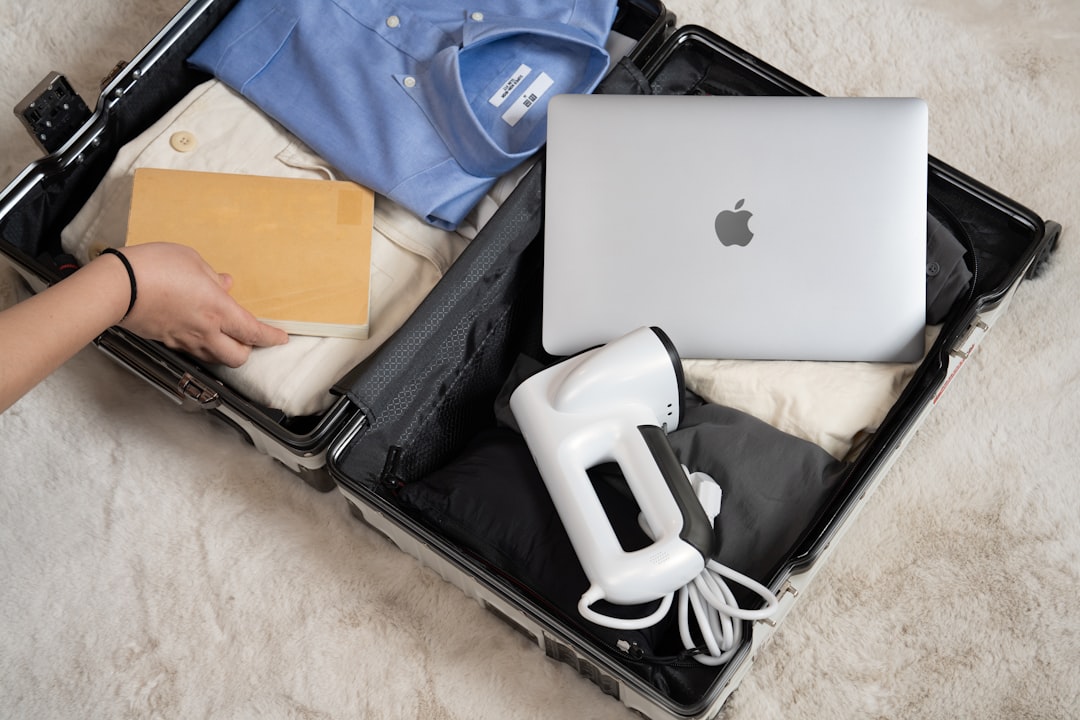
Several items are explicitly prohibited by cruise lines and will be confiscated at embarkation : sometimes without return. Irons and steam irons top the list; the fire risk in a cabin is considered too high. Most ships have a self-service laundry with irons available, or offer a pressing service through the laundry. Travel kettles and candles are also banned. If you need tea or coffee in your cabin, almost every line provides an in-cabin kettle or a Nespresso machine.
Full-size bottles of shampoo, conditioner, and body wash are pointless given what the ship provides, and they add significant dead weight to your luggage. A 500ml bottle of shampoo weighs half a kilogram and you will not use it. Similarly, don’t pack a full-size hairdryer : cabins have one built into the wall (lower wattage than a good home dryer, but functional). If you have very thick or long hair, a compact travel dryer is worth it; otherwise, leave yours at home.
Avoid packing more clothing than you will realistically wear. The single biggest waste of luggage space on a cruise is a ‘just in case’ outfit that never leaves the suitcase. Be ruthless: if you can’t picture the specific occasion you’d wear it, leave it behind.
- Irons and steam irons : banned on virtually all cruise lines; use the ship’s laundry
- Travel kettles : banned; every cabin has its own kettle or coffee machine
- Candles and incense : fire hazard, confiscated at embarkation
- Multi-socket extension leads : banned; use a USB charging hub instead
- Full-size shampoo and conditioner : ship provides these; save the luggage space
- Full-size hairdryer : cabins have one built in; only pack your own if you have specific needs
- Excessive ‘just in case’ clothing : be realistic about what you’ll actually wear
- Alcohol (on some lines) : Royal Caribbean and MSC prohibit bringing your own; P&O allows a limited amount; check your specific line’s policy
- Drone : most cruise lines require advance approval and many ports prohibit them entirely
Packing Strategy: How to Actually Fit Everything In
Start with a firm luggage limit based on your transport to the ship. If flying, your airline’s hold baggage allowance is the hard ceiling : typically 20–23kg per bag with most UK carriers. If driving to Southampton or another UK departure port, you have more flexibility, but remember you still need to carry the bag from your car to the ship.
Packing cubes are not a gimmick : they reduce volume by around 20–30% by compressing soft clothing, and they make unpacking into the cabin wardrobe significantly faster. Separate cubes for daywear, evening wear, and underwear/socks means you can locate anything in seconds without unpacking the whole case. Roll soft items (T-shirts, underwear, gym wear) rather than folding to reduce creasing and save space. Fold structured items like suit jackets and dress trousers properly and place them on top.
Pack your hand luggage with everything you’ll need for the first evening: swimwear if boarding early, your formal outfit if there’s a welcome dinner, medication, valuables, and your documents. Your hold luggage can take six to twelve hours to be delivered to your cabin : you don’t want to be stuck in your travel clothes through lunch and afternoon activities waiting for it.
- Set a firm clothing count before you start. 7–10 daytime outfits, 4–6 evening outfits, and 2 swimsuits for a 14-night cruise. Write it down and stick to it : every extra outfit is roughly 500g–1kg.
- Lay everything out before it goes in the case. Put every item you plan to pack on the bed. Then remove at least three items you’re unsure about. This one step stops most over-packing.
- Use packing cubes and roll soft clothing. Rolling T-shirts, underwear, and casual trousers rather than folding saves roughly 25% of space and reduces creasing.
- Place heavy items at the bottom (wheel end). Shoes, books, and toiletry bags should sit at the wheel end of the case so the weight is distributed correctly when wheeling and doesn’t distort the case.
- Pack your first-night essentials in hand luggage. Include documents, valuables, medication, one change of clothes, and swimwear if boarding early. Assume your hold luggage won’t arrive until dinner.
- Photograph your packed suitcase before closing it. A quick photo of the contents means you have a record for insurance purposes if your luggage is delayed or lost in transit.
Hire or borrow a luggage scale and weigh your bag before you travel, not at the airport. Airlines charge £10–£20 per kilogram for excess baggage. A 3kg overweight bag on a return flight adds up to £60 in fees : more than enough to cover a decent packing cube set that would have let you repack properly.
Frequently Asked Questions
No : irons are prohibited in cabins on all major cruise lines due to fire risk. Most ships have a self-service laundry room with irons available, usually on a lower deck. Some lines also offer a pressing or laundry service for a fee. Check your ship's app or ask guest services on day one.
Most cruise ship cabins have one or two US-style two-pin 110V sockets and sometimes one European two-pin socket. UK three-pin plugs are rarely accommodated without an adapter. Bring a UK-to-US adapter and a UK-to-European adapter. Do not bring a multi-socket extension lead : these are banned and will be confiscated.
It depends entirely on the cruise line. Pu0026O Cruises allows each adult passenger to bring one bottle of wine or Champagne aboard at embarkation. Royal Caribbean and MSC prohibit bringing your own alcohol entirely (though you can bring soft drinks and water). Cunard allows two bottles of wine per cabin. Check your specific line's policy before packing : bottles brought against policy are confiscated and sometimes not returned.
For a 7-night sailing with one or two formal nights, men need a dark lounge suit (black tie is optional on most lines, but a suit is always acceptable). Women need one cocktail dress or formal outfit. You do not need a different formal outfit for each formal night : change accessories, hair, and shoes instead. On smart casual evenings, neat trousers and a collared shirt work for men; a dress or smart blouse-and-trousers for women.
Most mainstream lines provide shampoo, conditioner, and body wash in wall-mounted dispensers. They do not provide toothbrush, toothpaste, deodorant, razor, or skincare products. Higher-end lines (Cunard, Celebrity, Silversea) tend to have better-quality products. Check your specific line : some premium lines also provide a full amenity kit.
There is no luggage limit imposed by the cruise line itself : you can bring as many bags as you like aboard the ship. The limiting factor is your airline's baggage allowance if you are flying to the embarkation port, and your own ability to manage the bags. Practically speaking, two medium-sized suitcases (20–23kg each) is the maximum most people can handle comfortably.
Yes and specifically cruise-specific travel insurance, or a standard policy that explicitly covers cruising. Standard travel insurance often excludes or caps medical evacuation at sea, which can cost tens of thousands of pounds. Ensure your policy includes: emergency medical treatment, repatriation, missed port departure, and itinerary changes. Insure for the full trip cost including flights, not just the cruise fare.
Pack everything you'll need for the first 12 hours, since hold luggage can take until the evening to be delivered to your cabin. This means: all travel documents and passports, prescription medication, valuables and electronics, one change of clothes, swimwear if you're boarding early enough to use the pool, and any items you'd be seriously inconvenienced without if your case were delayed or lost.
The most useful packing habit is simple: if you've been staring at an item for more than ten seconds wondering whether to include it, leave it at home. Every cruise ship has a shop stocked with the essentials, and every port has a pharmacy. What you cannot replace easily is luggage space : once the case is full, it's full. Pack deliberately, weigh your bag before you leave, and you'll start your cruise without the stress of a 30kg case and a £40 excess baggage bill.