Cruise excursions can be brilliant in some ports and poor value in others.
The trick is knowing where they are worth paying for, and where you can do better on your own. This guide gives you a simple way to decide each time.
What Do Cruise Excursions Actually Cost?
Ship-organised shore excursions typically fall into a predictable price range. A half-day coach tour or activity runs £50 – £150 per person. Full-day excursions with transfers, a guide, lunch, and entry fees tend to come in at £80 – £200 per person. Specialist activities, whale watching, helicopter flightseeing, and private shore dining, can exceed £300. These prices are set by the cruise line, which typically marks up the underlying operator cost by 30 – 50% to cover their commission, booking infrastructure, and the ship’s guarantee.
What’s included varies widely. Some excursions are comprehensive: return transfers, a licensed guide, all entry fees, and a meal. Others are little more than a bus ride to a landmark where you’re left to wander on your own for two hours. Always read the inclusions line carefully before assuming a higher price means a better experience. The inclusions breakdown in the excursion description tells you more than the price does.
Prices also vary by destination. Mediterranean and Caribbean excursions tend to be mid-range. Alaska and expedition cruising push prices higher because of the transport complexity involved. Norwegian fjords can be surprisingly cheap for certain activities because the infrastructure is already well developed for tourism.
- Half-day coach or cultural tour: £50 – £150 per person
- Full-day tour with lunch and entry fees: £80 – £200 per person
- Water sports or active excursions: £60 – £120 per person
- Private hire (small group or family): £150 – £400 per booking
- Specialist experiences (helicopter, expedition): £250 – £500+
The Ship Guarantee: What It’s Really Worth
The single biggest argument for booking through the ship is the return guarantee. If your excursion runs late for any reason outside your control, traffic, a delayed attraction, or an overrunning guide, the ship will wait for you. Miss the ship on an independent tour and you are responsible for getting yourself to the next port at your own expense, which can cost hundreds of pounds in flights, taxis, and hotels.
This guarantee has genuine monetary value, and the question is whether that value justifies the price premium at any given port. In a straightforward, walkable port where the town centre is five minutes from the dock, the risk of missing the ship independently is negligible. In a port where your destination is two hours away by coach, where road conditions are unpredictable, or where there is only one practical route back, the guarantee becomes significantly more valuable.
It’s useful to know that the guarantee applies to the entire coach, not just you. If one passenger on your ship excursion is delayed, the whole group waits and then the ship waits for the whole group. This occasionally means ship excursions return with little buffer time, which can be stressful in itself.
If you book independently and miss sailaway, you pay your own way to the next port. Factor in the cost of a flight, hotel, and transfers: easily £300 – £800, when weighing up whether to go independent at a logistically challenging port.
When Ship Excursions Are Usually Worth It
There are ports and situations where booking through the ship is the right call, full stop. Complex transport and timing top the list. If getting to your destination requires a combination of transfers, border crossings, or remote terrain, such as a rainforest excursion in Costa Rica, a visit to Machu Picchu from a Peruvian port, or wildlife watching in the Galápagos: the ship’s excursion operators have infrastructure and contingency plans that individual operators often can’t match. When something goes wrong, you want someone whose business depends on that ship waiting for you.
Iconic, high-demand sites are another strong case for the ship. At ports like Ephesus in Turkey, Pompeii in Italy, or the Amber Fort in India, ship excursions have pre-booked entry slots, skip queues where possible, and use licensed, vetted guides. Turning up independently and trying to navigate entry, timing, and transport at a major UNESCO site with two hours before you must be back on the ship is risky.
First-time visitors to a region often benefit from the structure too. If you have no knowledge of local transport, limited language skills, and no established plan, a ship excursion removes much of the hassle. The premium you pay partly buys peace of mind, and that is a legitimate value for many cruisers.
- Ship guarantee. The ship waits if your tour runs late: no risk of being stranded at port.
- Complex transport and timing are handled. Remote destinations, border crossings, and multi-stage transfers are managed for you.
- Licensed guides at major sites. Ship operators use vetted guides with official site access, often including queue priority.
- No advance research needed. Ideal for first-time visitors or ports where independent options are unclear.
- Group safety in numbers. Better suited to destinations with higher security concerns or challenging terrain.
When Ship Excursions Are Not Worth the Money
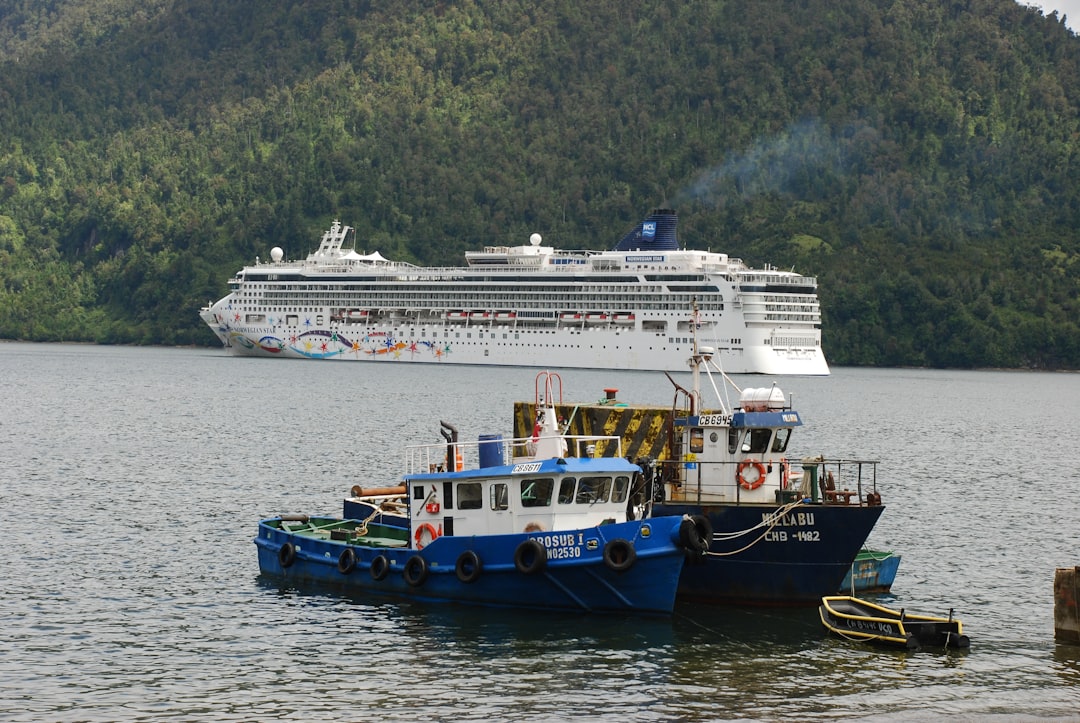
At easy, walkable ports like Dubrovnik Old Town, Valletta in Malta, Kotor in Montenegro, or most Caribbean beach towns, there is almost no logistical case for a ship excursion. The old town is often visible from the dock. Taxis to any main attraction cost £10 – £20 each way. Local buses are regular and cheap. Paying £80 per person for a coach tour of somewhere you can walk for free is paying a high premium for a small convenience.
City ports with good public transport are similarly straightforward. Barcelona, Lisbon, Athens, and Copenhagen all have metro systems, hop-on hop-off buses, and an abundance of pre-bookable independent tours. A private guided tour of the Acropolis for four people, booked through GetYourGuide or directly with a local operator, will typically cost £30 – £45 per person compared to £80 – £110 on the ship and you’ll be in a group of ten rather than forty-five.
Short port calls are also worth scrutinising carefully. If you’re only in port for five hours, a full-day ship excursion that accounts for three hours of coach travel each way may leave you with almost no time at the actual destination. In these cases, staying close to the port and exploring independently often delivers a better experience than a rushed and expensive excursion.
- Significant price premium. Ship excursions typically cost 30 – 50% more than the same experience booked independently through Viator or GetYourGuide.
- Large group sizes. Most ship coach tours carry 40 – 50 passengers, which means less flexibility, more waiting, and a less personal experience.
- Fixed, inflexible itineraries. You go where the tour goes, stop where it stops, and leave when it leaves: no room to linger or explore.
- Variable guide quality. Standards vary widely between operators contracted by cruise lines: some are excellent, some are perfunctory.
- Unnecessary at easy ports. At walkable or well-connected ports, you’re paying a premium to be told things a free map could show you.
Before booking any ship excursion, look up the port on Google Maps. If the main attraction is within 2km of the dock, or if a taxi there costs under £15, ask yourself whether you actually need the ship’s tour at all.
Browse our full library of cruise guides, port tips, and advice articles to make the most of every sailing.
Viator and GetYourGuide: How They Compare
Viator and GetYourGuide are the two dominant third-party tour booking platforms, and both have extensive coverage of cruise ports worldwide. For most mainstream Mediterranean, Caribbean, and Northern European ports, you will find dozens of options at significantly lower prices than the ship equivalent. A full-day Pompeii tour that costs £110 per person through a cruise line typically runs £55 – £75 per person on Viator, including transfers from Naples port and a licensed guide.
The key practical difference is group size. Ship excursions operate at scale: a 3,000-passenger ship needs to move a large proportion of guests efficiently, and so large coaches. Independent operators on Viator and GetYourGuide typically cap groups at 8 – 16 people for guided tours, and private tours for families or small groups are widely available. A smaller group means more time at each stop, more ability to ask questions, and a noticeably more relaxed pace.
The trade-off is that these tours carry no ship guarantee. If an independent tour runs late, you must deal with the consequences. The practical mitigation is to choose tours that are well-reviewed (look for 4.5 stars or above with over 100 reviews), book operators that specifically state experience with cruise passengers, and always ensure the tour is scheduled to return at least 90 minutes before your ship’s all-aboard time. Many Viator and GetYourGuide operators explicitly market to cruisers and understand the timing constraints.
- Compare the ship’s excursion description to equivalent Viator or GetYourGuide tours before booking
- Filter by reviews, only book operators with 4.5 stars or above and 100+ reviews
- Look for descriptions that mention ‘cruise-friendly’ or ‘cruise passengers welcome’
- Check the listed return time: aim for 90 minutes before all-aboard, not 30
- For family groups, price out a private tour: often comparable to or cheaper than ship excursions per head
Group Size, Guide Quality, and What You Actually Experience
Group size shapes the entire quality of a shore excursion. On a ship tour with 45 people, you spend a meaningful portion of your time waiting: waiting for the coach to fill, waiting at the attraction entrance, waiting while the guide repeats information to the back of the group. At a busy site like Ephesus or Pompeii, a group of 45 creates its own crowd on top of the general tourist crowd. You see the site, but you don’t experience it.
With an independent operator capped at 12 people, the dynamic is entirely different. The guide can tailor the pace and emphasis to the group, answer questions properly, and take routes through the site that large coach groups can’t use. This difference in experience quality is difficult to price, but it is real and consistent across destinations.
Guide quality on ship excursions varies considerably, and you have limited ability to predict it in advance. Some cruise lines use the same vetted operators consistently, and repeat cruisers on those lines develop a feel for which tours deliver. Others contract opportunistically, and quality is inconsistent. Reading recent cruise-specific reviews on forums like Cruise Critic gives you a more accurate picture of what to expect than the ship’s own marketing copy.
The Cruise Critic port forum for your destination will have dozens of first-hand accounts from recent passengers. Search the port name plus your ship name for the most relevant advice on which excursions delivered and which didn’t.
A Port-by-Port Decision Plan
Rather than applying a blanket rule, the most effective approach is to evaluate each port on its own terms before your cruise. This takes an hour of research at home but saves significant money and improves your port days considerably. The decision comes down to four questions: How far is the main attraction from the dock? How complex is the journey to get there? What is the price difference between ship and independent? And how much buffer time do you have before sailaway?
Use that plan to categorise each port as either ‘book through ship’, ‘book independently via Viator or GetYourGuide’, or ‘explore independently with no booking’. Most 7 – 14 night cruises will include a mix of all three. Expensive ship excursions at complex ports are worth every penny; the same money spent at a walkable port town is largely wasted.
- Step 1: Map the port. Look up the port on Google Maps and identify how far your main target is from the dock. Under 2km: consider walking. Under 10km: consider a taxi. Over 10km with complex routing: research operators.
- Step 2: Price the ship excursion. Note exactly what is included: transfers, guide, entry fees, meals. This is your baseline.
- Step 3: Search Viator and GetYourGuide. Search the port name and your activity. Filter by rating (4.5+) and reviews (100+). Note the price difference and group size.
- Step 4: Check the timing. What time does the ship depart? Does the independent tour return at least 90 minutes before all-aboard? If not, either choose a different tour or book through the ship.
- Step 5: Read recent reviews. Check Cruise Critic forums for your specific port and ship. Look for reports from the past 12 months: ports and operators change.
- Step 6: Make the call. If independent is significantly cheaper, the timing is safe, and reviews are strong: book independently. If the journey is complex or timing is tight: book through the ship.
Specific Ports: Book Through the Ship vs Go Independent
To make that plan concrete, here are real examples of ports where one approach usually wins. These are based on the most common excursion types, not edge cases.
The independent wins are numerous across Mediterranean itineraries. Dubrovnik’s walls cost £35 to walk yourself; the ship charges £75 for a group tour of exactly the same route. Kotor: the old town is literally across the road from the dock. Split: ten-minute walk to Diocletian’s Palace. Lisbon: Metro from the cruise terminal to the city centre costs under £2 each way. For all of these, paying for a ship excursion is paying for a bus to take you somewhere your legs would do fine.
Ship excursions earn their premium in Alaska (whale watching and glacier tours have complex marine coordination), the Norwegian Arctic (expedition ports with no independent infrastructure), Egyptian ports (security concerns and complex arrangements for Luxor transfers), and any destination where your target is more than 60km from the dock with unpredictable return times. In these cases, the price premium is buying something you cannot easily replicate independently.
- Book through ship: Ephesus (Turkey): queue priority and vetted guides matter at this volume
- Book through ship: Skagway Alaska: rail and helicopter tours require ship-level coordination
- Book through ship: Aqaba (Jordan): Petra transfer timing and coordination are complex
- Go independent: Dubrovnik: city walls ticket bought at the gate, no guide needed
- Go independent: Athens (Piraeus): metro to the Acropolis, buy timed entry on official website
- Go independent: Valletta, Malta: everything of note is within 20 minutes on foot from the dock
- Go independent: Barcelona: hop-on hop-off bus covers the city better than any coach tour
- Go independent: Funchal, Madeira: cable car and market easily done without a guide
Frequently Asked Questions
It depends entirely on the port. At destinations with complex transport details, remote sites, or genuine security concerns, ship excursions offer real value and meaningful risk protection. At easy, walkable ports or well-connected cities, you’re typically paying 30 – 50% more than necessary for a less flexible and less personal experience. Evaluate each port individually rather than applying a blanket rule.
If you’re on a ship-organised excursion and it runs late through no fault of your own, the ship will wait for you. This is the single biggest practical advantage of booking through the cruise line. If you’re on an independent tour and miss sailaway, you are responsible for your own costs to reach the next port, which can easily run to £300 – £800 including flights and a hotel.
On average, 30 – 50% cheaper for equivalent tours. A half-day guided tour that costs £100 per person through the ship will typically run £55 – £75 on Viator or GetYourGuide. The saving compounds across a two-week cruise, if you take six excursions, you could realistically save £150 – £300 per person by booking selectively through third-party platforms.
In most mainstream cruise destinations: the Mediterranean, Caribbean, Northern Europe: independent tours from reputable operators on Viator or GetYourGuide are entirely safe and well organised. In destinations with higher security concerns, more complex transport details, or limited tourist infrastructure, the ship’s vetting and support network adds genuine value. Research your specific destination rather than applying a general rule.
Choose tours that return to the port at least 90 minutes before your all-aboard time, not 30. Book operators with strong reviews who specifically mention experience with cruise passengers. Have the ship’s agent contact number saved on your phone. Know the port address in the local language in case you’ll want to direct a taxi back urgently.
Yes, significantly. Ship excursion coaches typically carry 40 – 50 passengers. Independent guided tours on Viator and GetYourGuide are usually capped at 8 – 16 people. Private tours for families or small groups are also widely available. Smaller groups mean a better pace, more interaction with the guide, and a less crowded experience at the sites themselves.
Popular excursions: particularly those to high-demand sites like Pompeii, Ephesus, or any excursion involving a tender port: can sell out weeks before the cruise. Book online as soon as excursions open, which is typically 3 – 6 months before departure. Last-minute availability exists but is unreliable, especially on larger ships where competition for spaces is high.
The middle ground is a small-group independent tour through Viator or GetYourGuide rather than a free-form independent day. You get a guide, a structured itinerary, and a much smaller group than the ship offers: at a lower price. This option suits cruisers who want a bit of hand-holding without paying the ship’s premium.
Don’t default to booking every excursion through the ship, but don’t reflexively avoid ship excursions either. Spend an hour before your cruise mapping each port: mark the easy ones where you’ll go independently, the complex ones where you’ll book through the ship, and the in-between ports where a Viator or GetYourGuide small-group tour gives you the best of both. Done properly, this approach delivers better experiences at each port and saves a typical couple £200 – £400 over a two-week cruise.
How We Verify This Advice
We aim for practical, low-risk guidance. Before publishing and during updates, we check core planning details against official sources and current operator information.
What We Check
- Berth and terminal details, including whether the port is walkable or requires a transfer
- Transport options and realistic return timing for different port types
- Details that change frequently, such as fares and schedules, with up-to-date notes where relevant
Typical Sources
- Official port authority and terminal updates
- Cruise line port notes and day-of-call instructions
- Local transport operators and official tourism resources